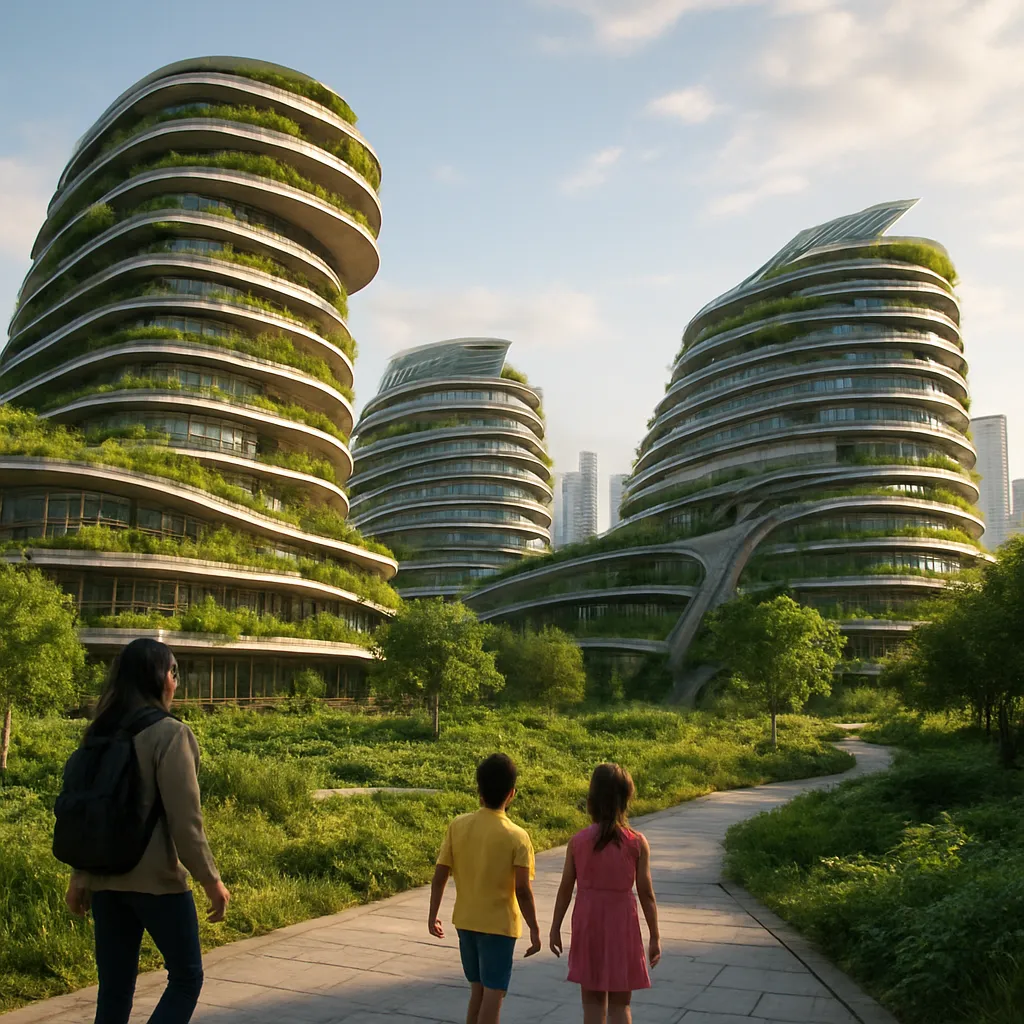







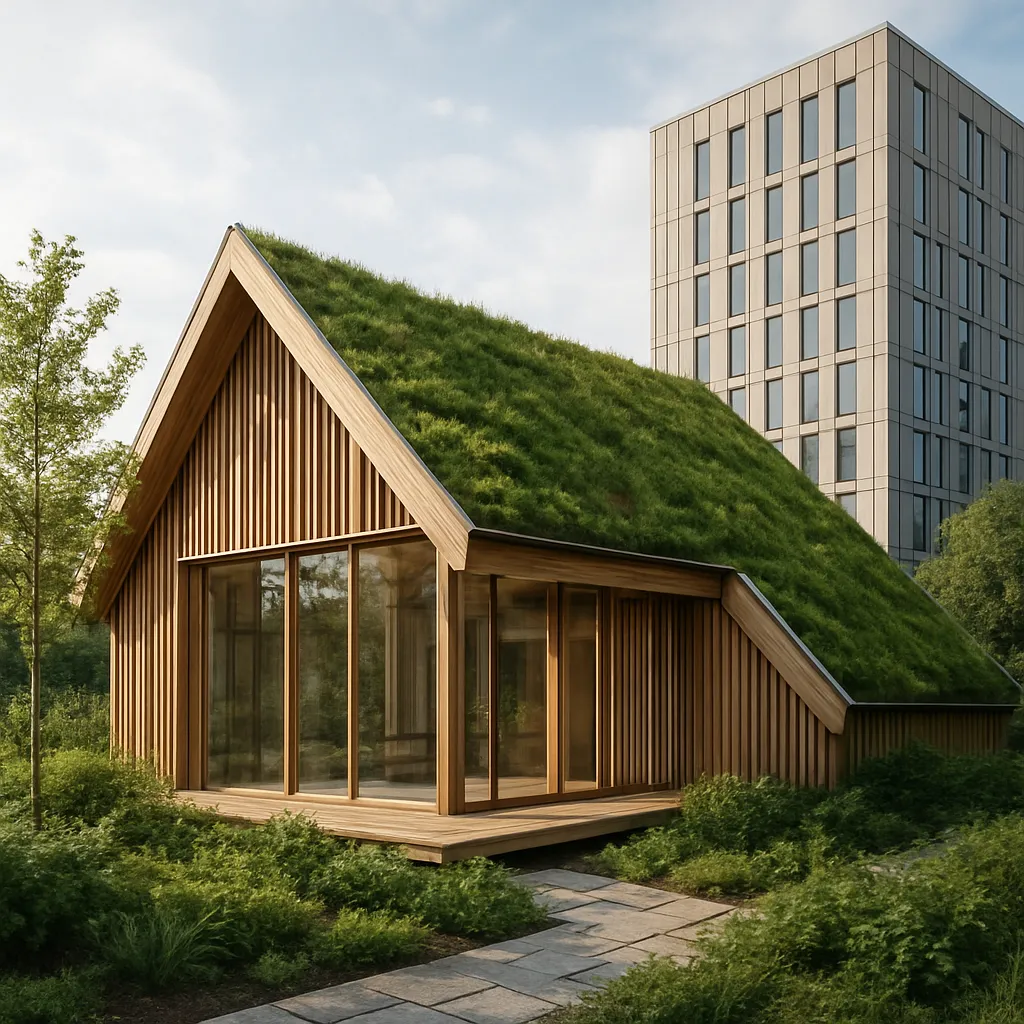
In the quest to redefine urban landscapes, architects and engineers are increasingly turning to sustainability as a guiding principle. The seamless fusion of cutting-edge technology with nature-inspired design is paving the way for a new era of construction that prioritizes resource efficiency, environmental harmony, and human well-being. From novel biocomposites to intelligent energy systems, the landscape of future architecture is being reshaped by the dynamic potential of renewable materials and advanced fabrication methods.
Emergence of Renewable Materials in Structural Design
The shift from conventional concrete and steel to renewable alternatives marks a radical departure from carbon-intensive practices. Timber engineered at the molecular level, such as cross-laminated timber (CLT), now rivals steel in terms of strength and resilience while delivering a significant reduction in embodied carbon. Simultaneously, mycelium-based composites—grown from fungal networks—offer lightweight insulation with self-healing properties. These biomaterials thrive on agricultural waste, converting by-products into sturdy panels and bricks.
Moreover, plant-derived polymers and alginate foams are being explored as structural components that can adapt to environmental stimuli. When exposed to humidity or temperature changes, these materials modulate their porosity to regulate indoor microclimates, reducing reliance on active HVAC systems. This innovation dovetails with the concept of carbon-neutral building envelopes, where each element of the facade contributes to energy performance rather than simply acting as a barrier.
Key Advantages of Renewable Structural Systems
- Lower Embodied Energy: Utilizing local biomass reduces transport and processing emissions.
- Regenerative Cycles: Materials can be composted or repurposed at end-of-life.
- Enhanced Biophilia: Natural textures and patterns improve occupant well-being.
- Lightweight Construction: Reducing foundation loads and speeding up assembly.
Innovations in Biomaterials and Nanotechnology
Nanotechnology is unlocking unprecedented performance gains in renewable materials. By integrating nano-cellulose fibers into polymer matrices, researchers have created composites with tensile strength surpassing steel by weight. These materials exhibit remarkable resilience under dynamic loads, making them ideal for earthquake-prone regions. Additionally, self-assembling peptides are being tested as adhesives that bond dissimilar substrates—wood to glass or metal to textile—without harmful solvents.
Meanwhile, photosynthetic building skins embed microalgae in transparent bioreactors. These living facades not only generate oxygen and biomass but also sequester CO₂ while shading interior spaces. Coupled with transparent photovoltaic coatings, buildings become vertical power stations, harvesting solar energy without compromising daylighting quality.
Applications and Prototypes
- Living Bridge: A pilot structure grown from betula saplings trained along a scaffold.
- Algal Office Tower: A 20-story prototype featuring rotating bioreactor panels.
- Smart Insulation Panels: Nanoclay-infused boards that dynamically adjust R-values.
- Regenerative Pavements: Mycelium-reinforced concrete that self-heals microcracks.
Circular Systems and Adaptive Reuse Strategies
Embracing the principles of a circular economy, futuristic architecture looks beyond single-use lifecycles. Modular components are designed for disassembly, enabling rapid reconfiguration or relocation. Structural modules made from bamboo-laminates and recycled aluminum can be snapped apart and reassembled into new floorplans, reducing demolition waste. Proptech solutions now track material provenance on distributed ledgers, ensuring full transparency and facilitating second-life markets.
Adaptive reuse projects are also being supercharged by robotics. Autonomous drones survey building conditions and deploy biodegradable sealants to repair facades. In interiors, robotic arms assemble plug-and-play furniture crafted from reclaimed wood, optimizing layouts for evolving needs. This approach not only conserves resources but fosters a sense of cultural continuity as historic elements merge with high-tech interventions.
Best Practices for Circular Architecture
- Deconstruction Planning: Designing joins and connections for minimal damage.
- Material Passporting: Digital records detailing composition, origin, and recyclability.
- Shared Infrastructure: Co-working spaces and community hubs that adapt over time.
- Urban Mining: Harvesting materials from derelict sites to feed new developments.
Technological Integration and Parametric Futures
Parametric design tools and artificial intelligence are driving the next wave of material innovation. Generative algorithms optimize structural layouts and material distribution for peak performance under specific load and climate scenarios. These digital workflows seamlessly integrate with robotic fabrication, enabling on-site 3D printing of foam concrete reinforced with hemp fibers or moss-infused cladding panels.
Furthermore, digital twins replicate every facet of a building’s lifecycle. Sensor networks embedded in renewable materials track moisture levels, stress patterns, and thermal performance in real time, feeding data back into machine-learning models that recommend proactive maintenance or upgrades. The synergy of 3D printing, AI-driven simulations, and adaptive materials heralds a new paradigm where structures evolve organically alongside their inhabitants.
Features of Smart, Material-Driven Architecture
- Responsive Envelopes: Facades that open, close, or change transparency based on occupancy.
- Energy Harvesting Floors: Piezoelectric tiles capturing kinetic energy from foot traffic.
- Integrated Water Systems: Rainwater harvesting membranes woven into wall assemblies.
- Real-Time Performance: AI dashboards guiding occupants to optimal comfort settings.