


Urban landscapes are undergoing a radical transformation as visionary designers harness emerging technologies to craft infrastructure that not only meets today’s challenges but also anticipates the demands of coming decades. By prioritizing resilience and leveraging cutting-edge approaches, futurists are developing frameworks where form, function, and environmental harmony coexist in an unbreakable synergy.
Adaptive Materials for Everlasting Structures
One of the most promising strategies for longevity in urban infrastructure is the adoption of smart, self-healing, and shape-shifting materials. Inspired by natural processes, these advanced composites and alloys can repair microcracks, adjust to thermal fluctuations, and even resist corrosive pollutants. Architects and engineers draw upon biomimicry to replicate the self-regenerating properties of living organisms such as bone and tree bark.
Key Innovations in Material Science
- Shape-memory alloys that return to pre-programmed forms after deformation, ideal for earthquake-prone zones.
- Polymer-based coatings with embedded microcapsules that release healing agents upon impact.
- Photocatalytic concrete that breaks down pollutants upon exposure to sunlight, maintaining façade integrity.
- Graphene-enhanced composites offering ultralight weight combined with exceptional tensile strength.
These technologies ensure buildings, bridges, and road surfaces endure cyclical stresses without extensive maintenance. Moreover, architects are layering materials to create hybrid skins that breathe, filter air, and even generate energy.
Integration of Resilient Systems and Smart Networks
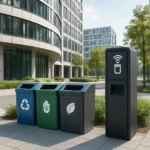
The next frontier in future-proofing centers on the seamless fusion of infrastructure with digital intelligence. Through an intricate web of sensors, actuators, and data analytics platforms, cities gain the ability to monitor structural health in real time and adapt dynamically to environmental threats or usage spikes. This level of connectivity transforms static assets into living systems.
Real-Time Monitoring and Predictive Maintenance
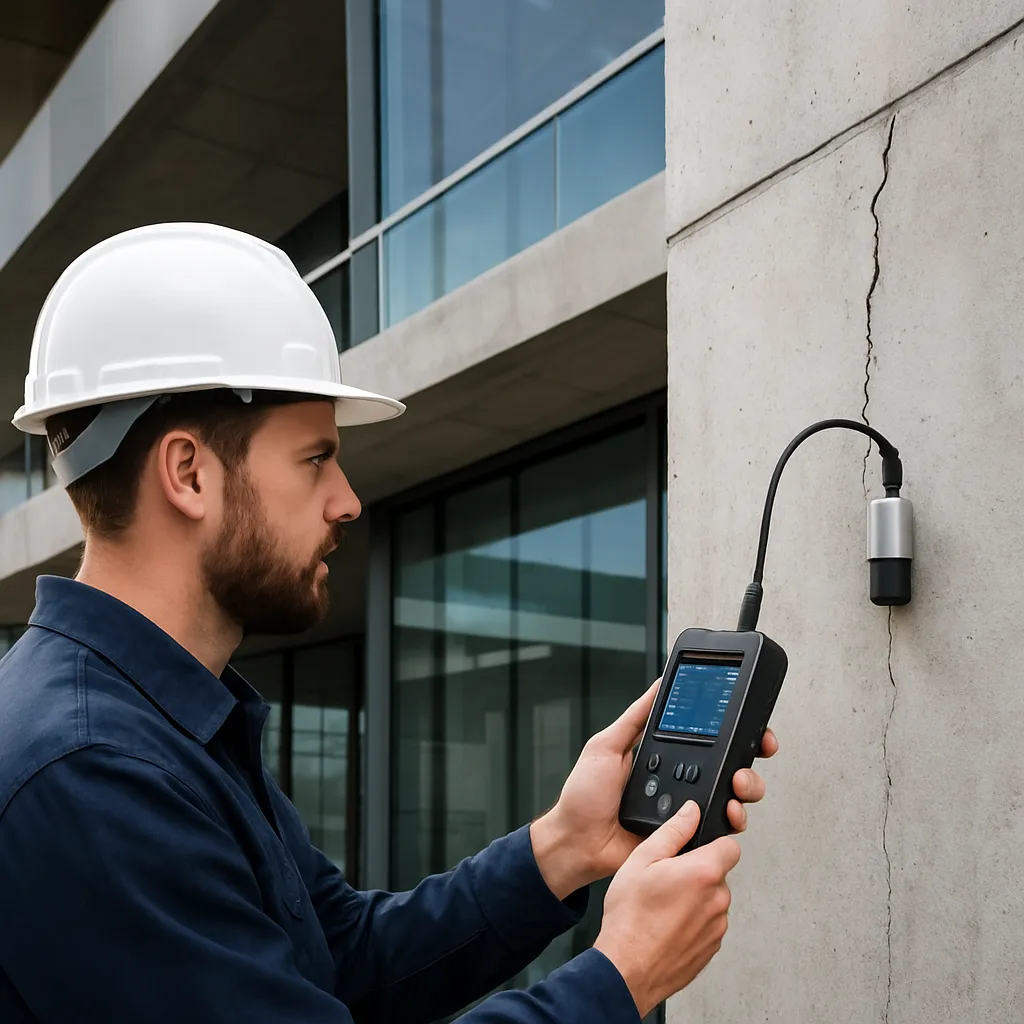
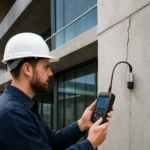
Embedding nanoscale sensors within steel beams, concrete slabs, and asphalt layers creates an omnipresent nervous system. These sensors continuously measure parameters such as stress, vibration, moisture, and temperature. Advanced machine learning algorithms detect anomalies early, triggering automated maintenance protocols that mitigate potential failures before they escalate.
- AI-driven dashboards prioritize repair tasks based on risk assessment and cost efficiency.
- Autonomous inspection drones navigate interiors and exteriors, feeding high-resolution imagery for damage analysis.
- Renewable microgrids paired with energy storage systems ensure uninterrupted power for critical monitoring devices.
By embracing this model, municipalities can slash lifecycle costs and extend the operational window of key assets by decades.
Modularity and Scalable Growth
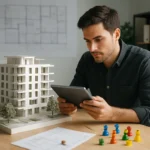
To accommodate shifting demographics and unforeseen requirements, designers are championing modular construction techniques. Prefabricated units—be they residential pods, commercial modules, or civic amenities—slot into existing frameworks with minimal disruption. This approach not only accelerates deployment but also empowers stakeholders to reconfigure spaces as priorities evolve, showcasing true modularity and flexibility.
Community-Centric Approaches to Sustainable Growth
True urban resilience transcends bricks and bytes; it encompasses social cohesion, environmental stewardship, and economic vitality. By adopting a holistic lens, city planners foster neighborhoods that thrive through collaboration, shared resources, and green corridors.
Green Infrastructure and Ecosystem Services
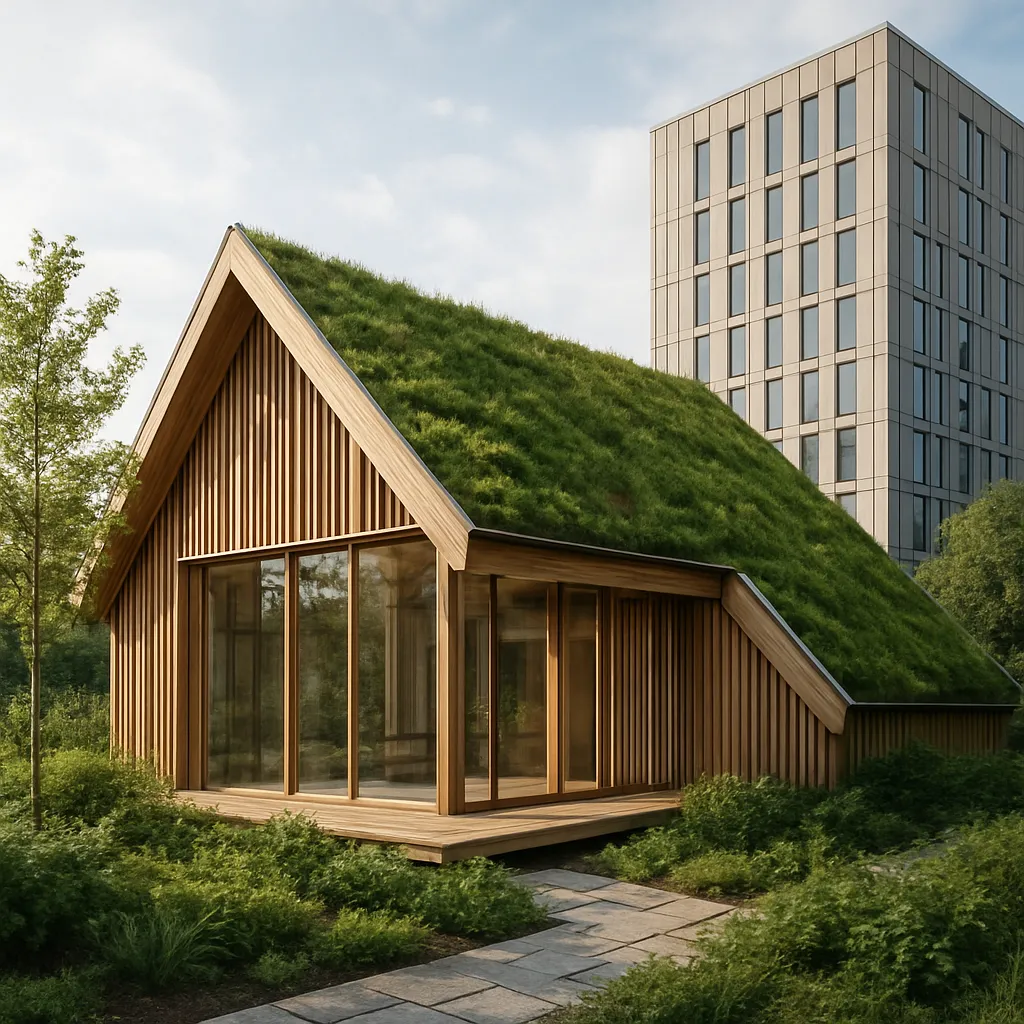
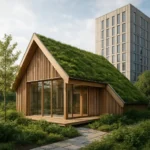
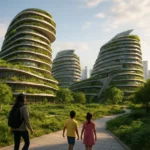
Integrating living roofs, vertical forests, and rain gardens enhances biodiversity while mitigating urban heat island effects. These green assets perform essential ecosystem services:
- Stormwater retention through bioswales, reducing flood risks.
- Air purification via dense canopies of pollutant-absorbing flora.
- Carbon sequestration embedded within soil substrates and root networks.
- Habitat creation for pollinators and avian species, promoting ecological balance.
Such initiatives spotlight the importance of sustainability and underscore how built environments can operate in concert with natural processes.
Engaging Residents as Stakeholders
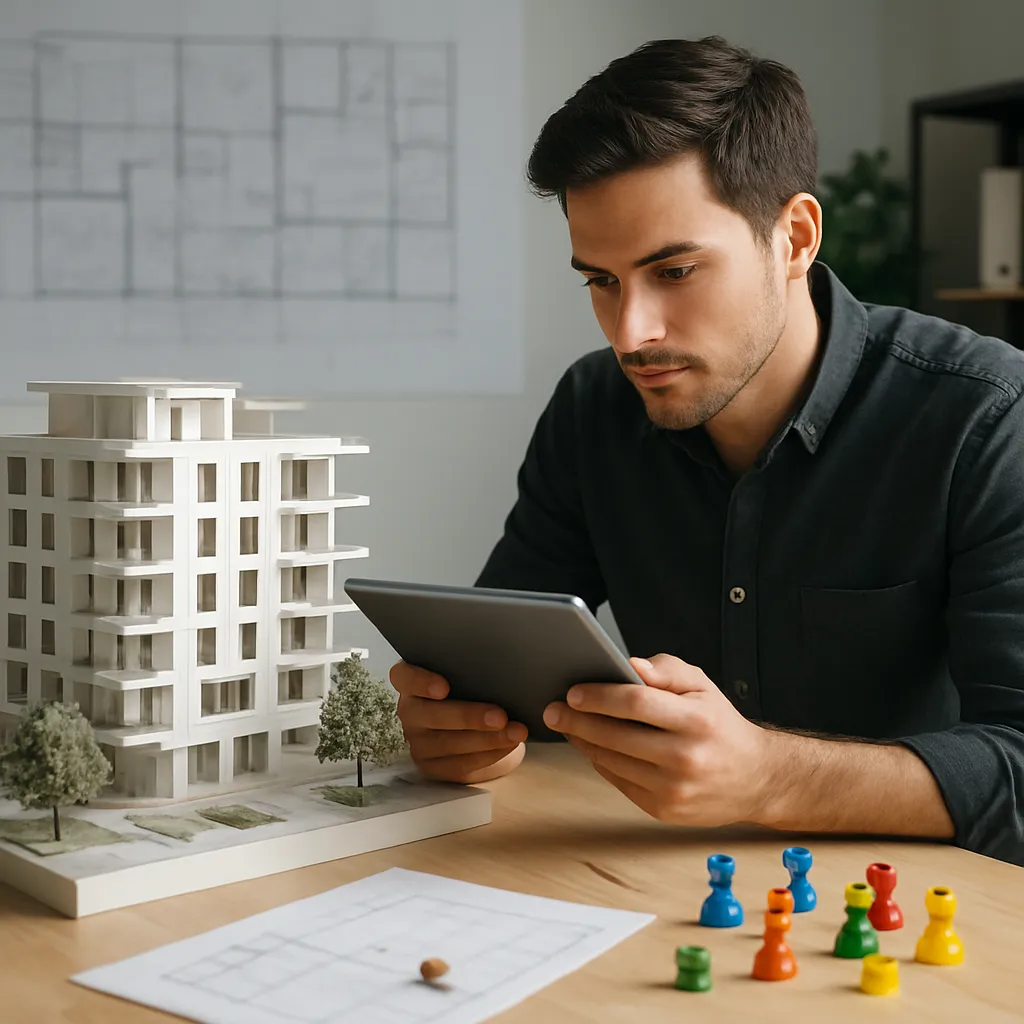
Empowering individuals to participate in decision-making cultivates a profound sense of ownership. Interactive planning studios, virtual reality simulations, and participatory budgeting tools invite citizens to co-design public spaces. This fosters innovation at the grassroots, ensuring that solutions align with diverse needs—from mobility-challenged seniors to entrepreneurial youths.
Climate Adaptation and Disaster Preparedness
Anticipating the intensifying impacts of climate change, architects are embedding adaptability at every scale. Floodable plazas double as recreational zones during dry spells and overflow reservoirs during storms. Seawalls metamorphose into public promenades, and retractable barriers protect coastal communities without severing their connection to the waterfront.
Hybrid Defenses and Smart Barriers
By blending “hard” infrastructure—like levees and floodgates—with “soft” elements—such as mangrove buffers and oyster reefs—cities cultivate multi-layered protection strategies. Smart barriers, equipped with real-time sensing and automated closure mechanisms, activate only when thresholds are exceeded, minimizing visual and ecological disruptions.
Redefining Mobility for the Next Century
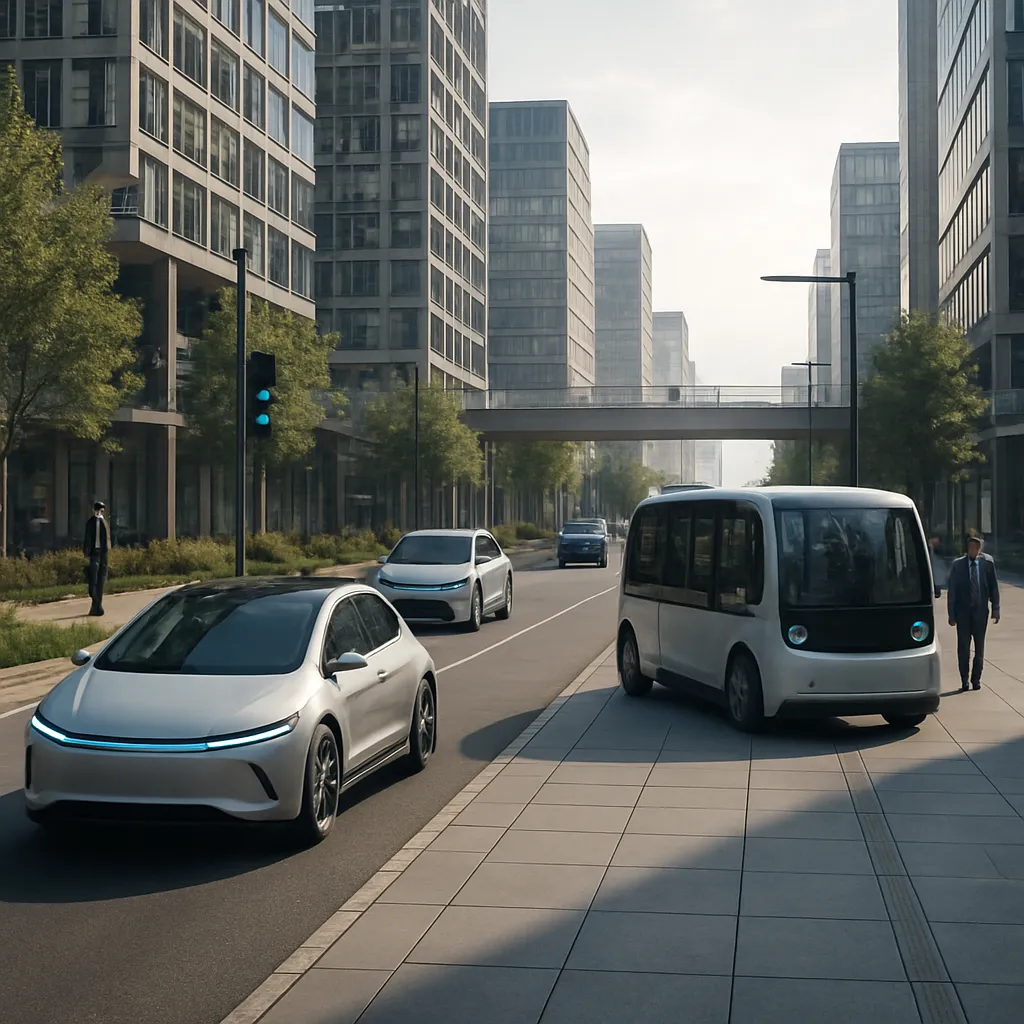
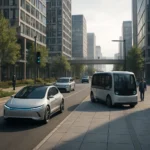
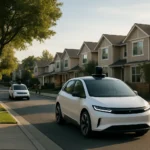
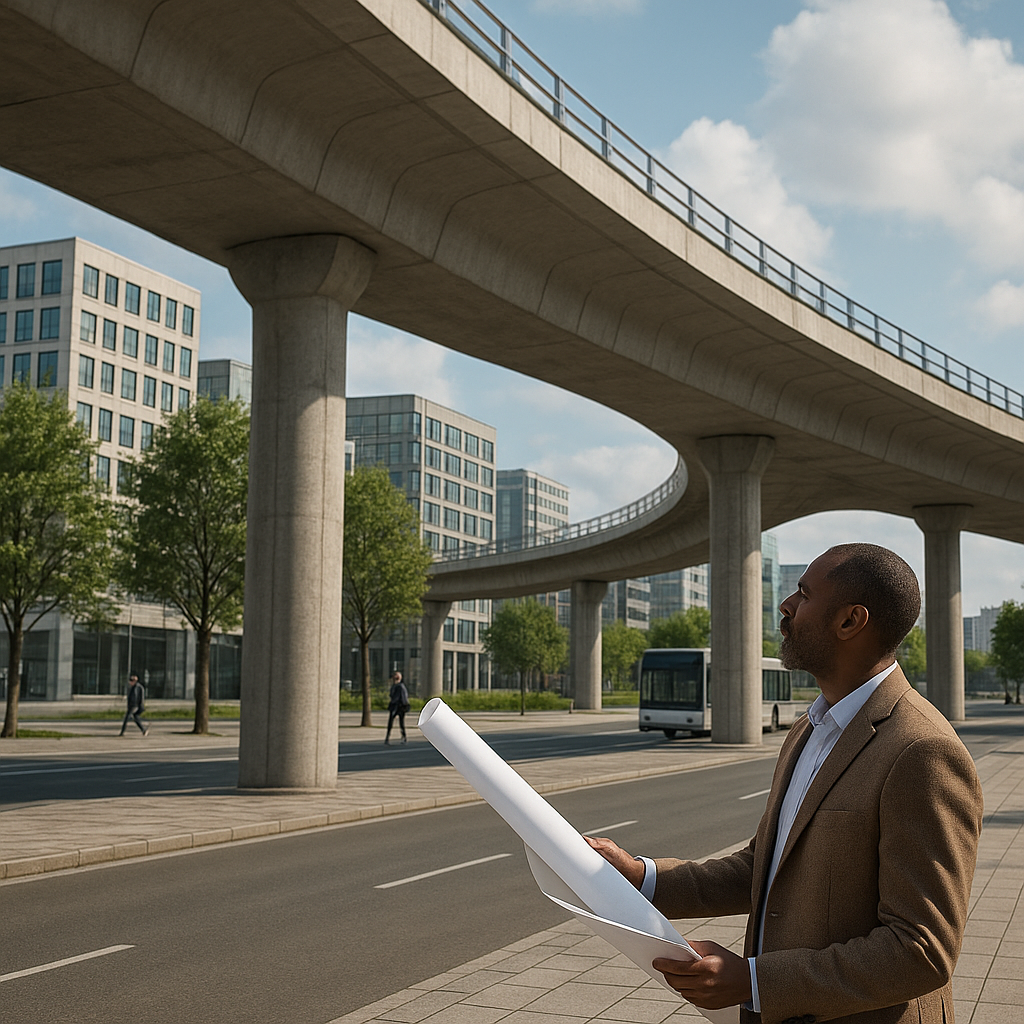
Transportation networks are being reimagined as fluid, adaptive systems that prioritize efficiency and carbon neutrality. Elevated transit tubes, autonomous shuttles, and hyperloop corridors intersect with pedestrian-first districts, creating a tapestry of options to move people and goods seamlessly.
- Maglev rails integrated into modular guideways, enabling rapid expansion as demand rises.
- Smart intersections that optimize traffic flow via AI, reducing idling and emissions.
- Micro-mobility hubs offering shared e-bikes and docking stations powered by on-site solar arrays.
Such frameworks underscore integration as the guiding principle—a network where each component amplifies the function of the whole.
Embracing a Vision of Perpetual Renewal
As cities evolve faster than ever before, the capacity to adapt becomes the ultimate marker of success. Through the pioneering use of smart materials, cyber-physical networks, and community-driven design, urban environments can achieve a new paradigm of innovation and enduring performance. The strategies outlined here chart a path toward infrastructure that not only survives but flourishes, setting a timeless standard for generations to come.