





As urban centers continue to evolve, futuristic architecture emerges as a catalyst for enhancing mental health and emotional balance. This exploration delves into how visionary design principles, advanced technologies, and ecological consciousness converge to nurture the human spirit. By weaving together elements of innovation, sustainability, and biophilia, architects can craft environments that foster harmony, uplift mood, and elevate daily experiences for inhabitants.
Designing for Human Connection in Futuristic Architecture
At the heart of forward-thinking structures lies a commitment to creating spaces that support social interaction and personal reflection. By strategically arranging communal areas, contemplative nooks, and multi-sensory corridors, designers address the psychological need for both togetherness and solitude. Such environments empower individuals to feel seen, heard, and embraced by their surroundings.
Key approaches include:
- Flexible layouts that adapt to group gatherings or solo activities
- Seamless transitions between indoor and outdoor zones
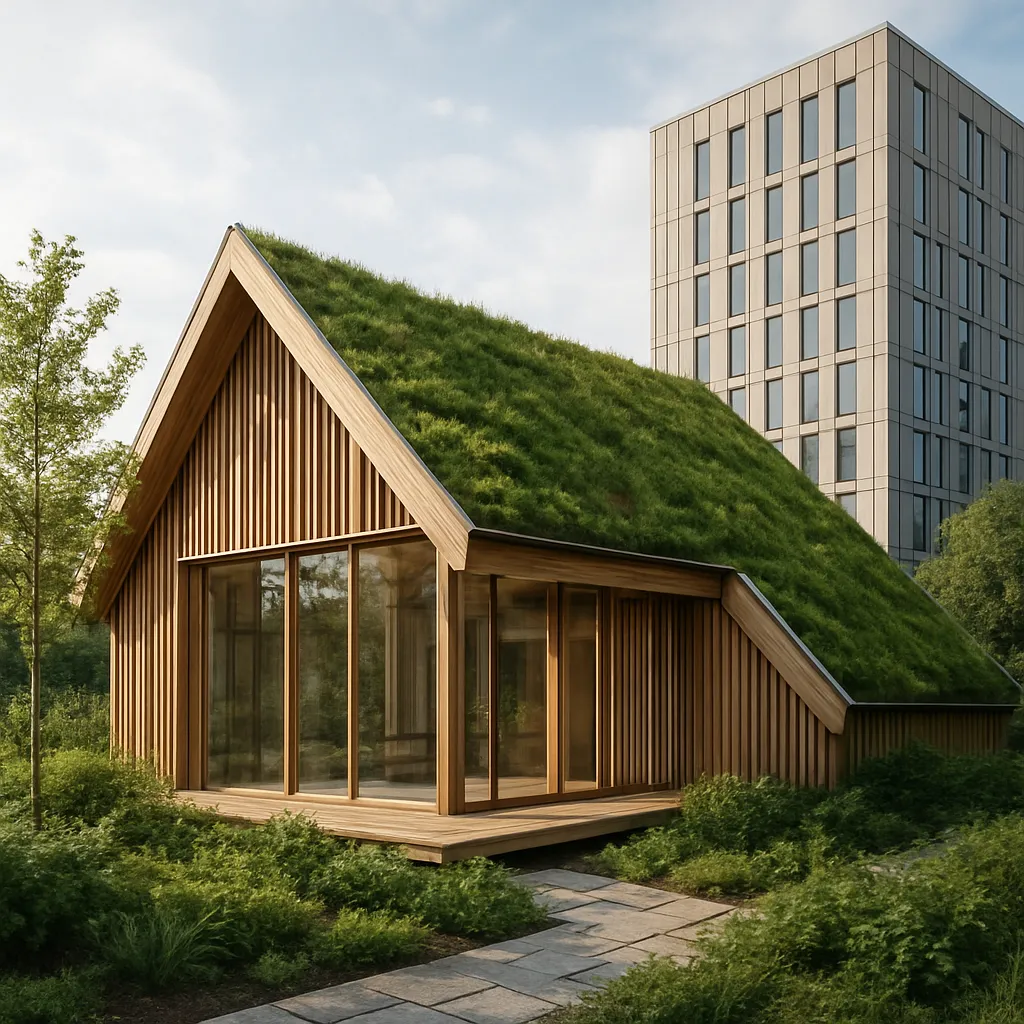
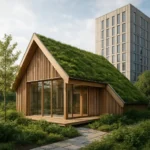
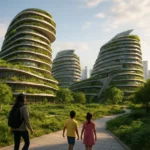
- Integrated green terraces, sky gardens, and vertical woodlands
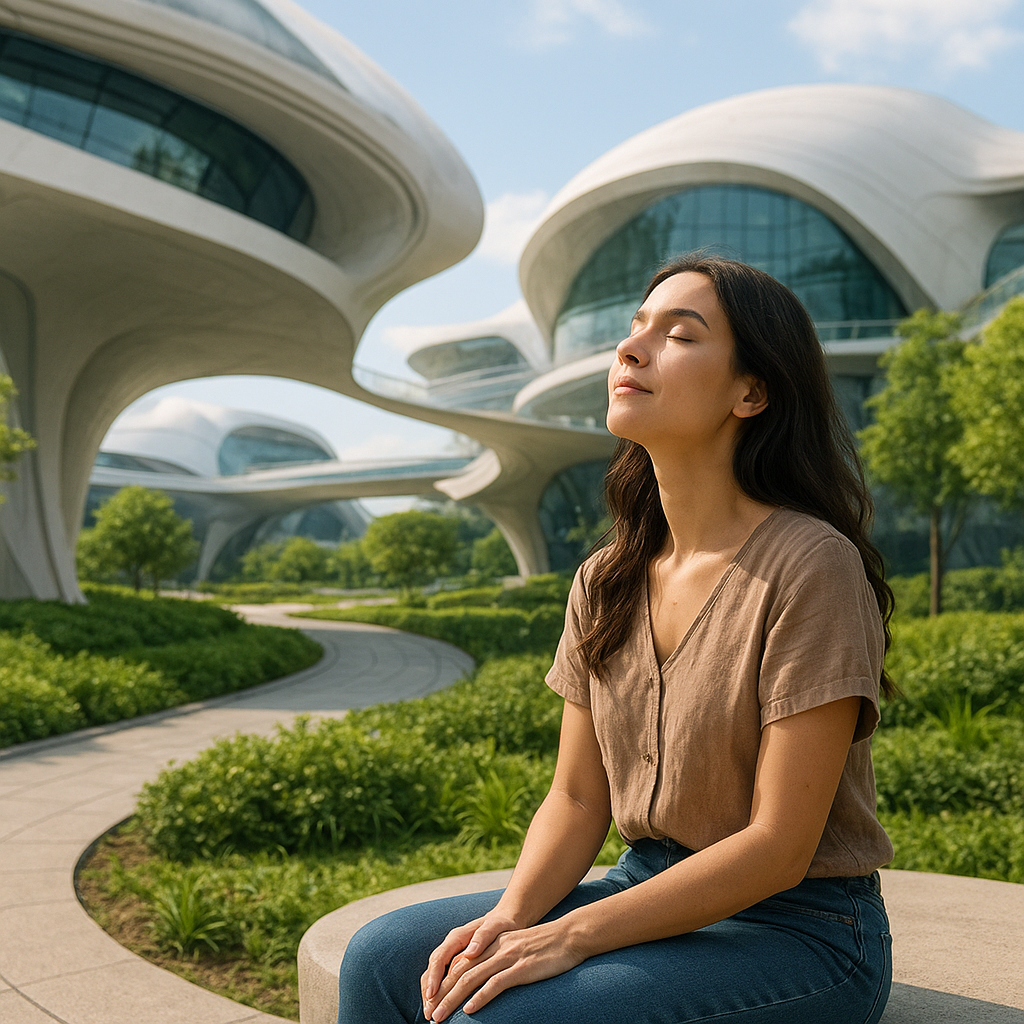
These features reinforce a sense of connectivity—not only among occupants, but also between people and nature. Innovators often harness biomorphic forms and organic silhouettes to evoke a subconscious sense of safety and familiarity, guiding visitors through spaces that feel both surprising and intuitively navigable.
Moreover, the inclusion of communal ateliers, digital lounges, and interactive art installations cultivates creative collaboration. By prioritizing communal intelligence over rigid hierarchies, futuristic buildings break down barriers and invite serendipitous encounters. The result is a thriving ecosystem of ideas that amplifies individual well-being through collective energy.
Adaptive Smart Spaces and Emotional Resilience
Emerging sensor networks, responsive surfaces, and AI-driven control systems are enabling buildings to monitor and modulate environmental variables in real time. By adjusting lighting, acoustics, and thermal comfort to occupants’ needs, these adaptive spaces nurture psychological resilience and reduce stress triggers. Imagine corridors that dim when tension levels rise or walls that shift hue to encourage mindfulness.
Dynamic Environmental Feedback
Smart materials embedded with piezoelectric fibers or microfluidic channels allow surfaces to change shape, texture, or color based on human presence. This dynamic feedback loop not only heightens sensory engagement but also reinforces occupants’ sense of agency over their environment. Subtle shifts in ceiling geometry, for instance, can guide foot traffic, ease crowding, and maintain a calming circulation pattern.
Personalized Wellbeing Protocols
Wearable health trackers and facial analytics feed data into central building management systems that customize ambient conditions. If an individual exhibits elevated heart rate variability, the system might prompt a soft chime and a shift to cooler, blue-tinged lighting to soothe nerves. Over time, residents develop a deeper awareness of internal states and learn to harness architectural cues as tools for self-regulation.
- Real-time adjustments to air quality and humidity
- Artificial intelligence recommending restorative break areas
- Augmented reality overlays guiding breathing exercises
By integrating these options, futuristic architecture becomes an active partner in mental health maintenance, nurturing adaptability and confidence in one’s capacity to thrive under shifting conditions.
Immersive Materials, Biomimicry, and Sensory Engagement
Material innovation is crucial for inspiring emotional serenity and cognitive clarity. Architects are exploring bio-inspired composites, self-healing concretes, and smart glass that tints on demand. These advanced materials not only enhance structural performance but also enrich sensory experience through texture, temperature modulation, and acoustic resonance.
Embracing Biomimicry
By studying natural forms—from the microscopic patterns on lotus leaves to the fractal branching of coral—designers replicate strategies that have been refined through evolution. Facades mimicking the adaptive scaling of pinecones, for example, can open or close pores to regulate airflow and light penetration, fostering a gentle rhythm that mirrors living organisms.
Multi-Sensory Layering
Innovative projects are incorporating diversity of stimuli: gentle water features add calming white noise, living moss walls filter pollutants and introduce tactile softness, while diffuse LED panels cycle through sunrise and sunset palettes. This multisensory layering awakens curiosity and maintains engagement, keeping the mind poised between relaxed observation and creative exploration.
Futuristic interiors often deploy modular furniture crafted from recycled polymers infused with micro-capsules of essential oils. When warmed by body heat, these capsules release concentrated aromas of lavender or cedarwood—known to lower cortisol levels and improve mood. The subtle interplay between form, function, and fragrance exemplifies how holistic design can address emotional wellness on multiple fronts.
Emerging Technologies Shaping Tomorrow’s Healing Environments
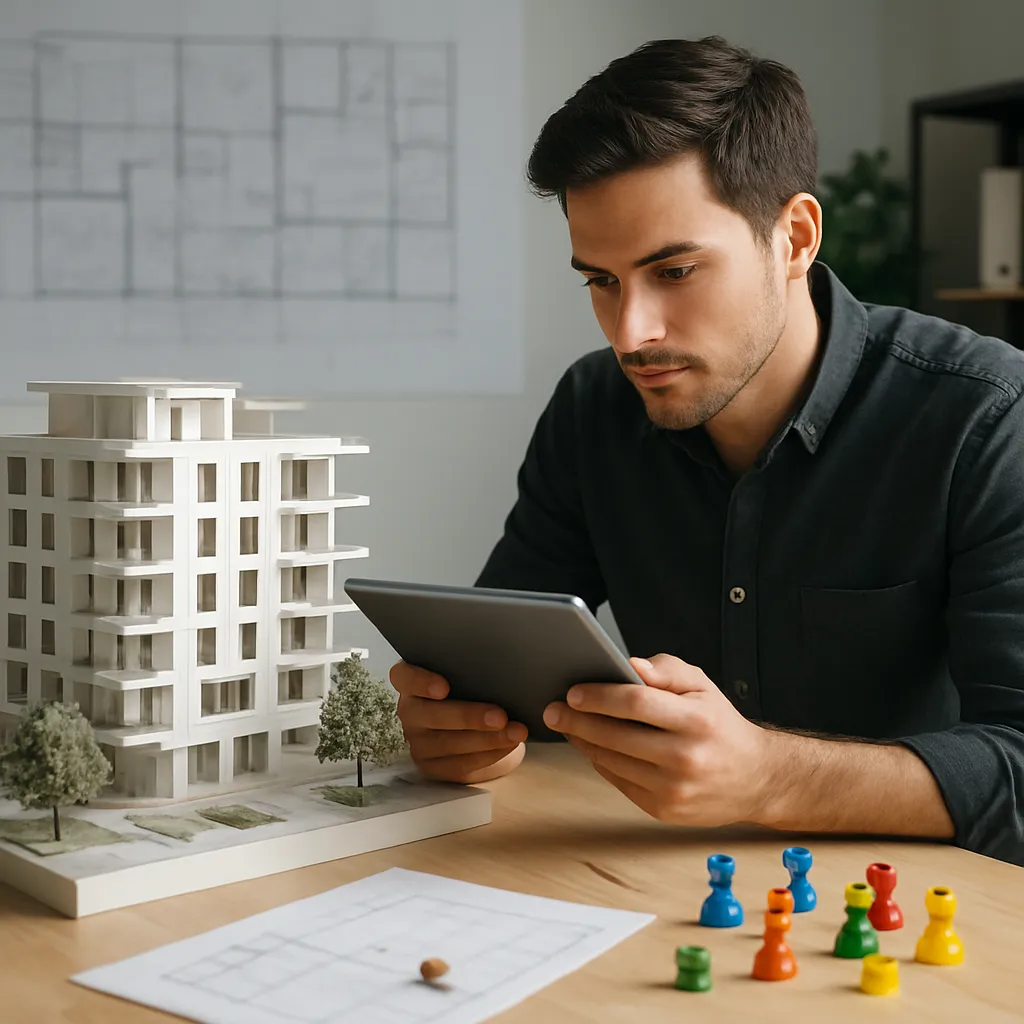
Looking beyond static blueprints, the next generation of architecture will employ virtual reality, robotics, and advanced data analytics to co-create spaces alongside inhabitants. Virtual design studios enable users to simulate personal preferences before construction, ensuring that every corridor angle and window view aligns with individual psychological profiles.
Robotic fabrication systems are ushering in an era of on-site customization. Self-assembling structural modules can be reconfigured seasonally, allowing communities to evolve their surroundings in harmony with shifting climates and social dynamics. These responsive shells also harness photovoltaic textiles and kinetic flooring to generate renewable energy, underscoring a commitment to ecological wellbeing.
Big data plays an instrumental role in refining these approaches. By anonymizing and aggregating behavioral patterns, designers gain insights into how people navigate, congregate, and seek respite. Such intelligence informs future iterations, creating a virtuous cycle of continuous improvement—a testament to the power of collaboration between human experience and technological progress.
The fusion of these pioneering tools and methodologies points toward a future where architecture transcends mere aesthetics. It becomes an empathetic companion, attuned to emotional currents and dedicated to nurturing the human psyche through every spatial nuance.