






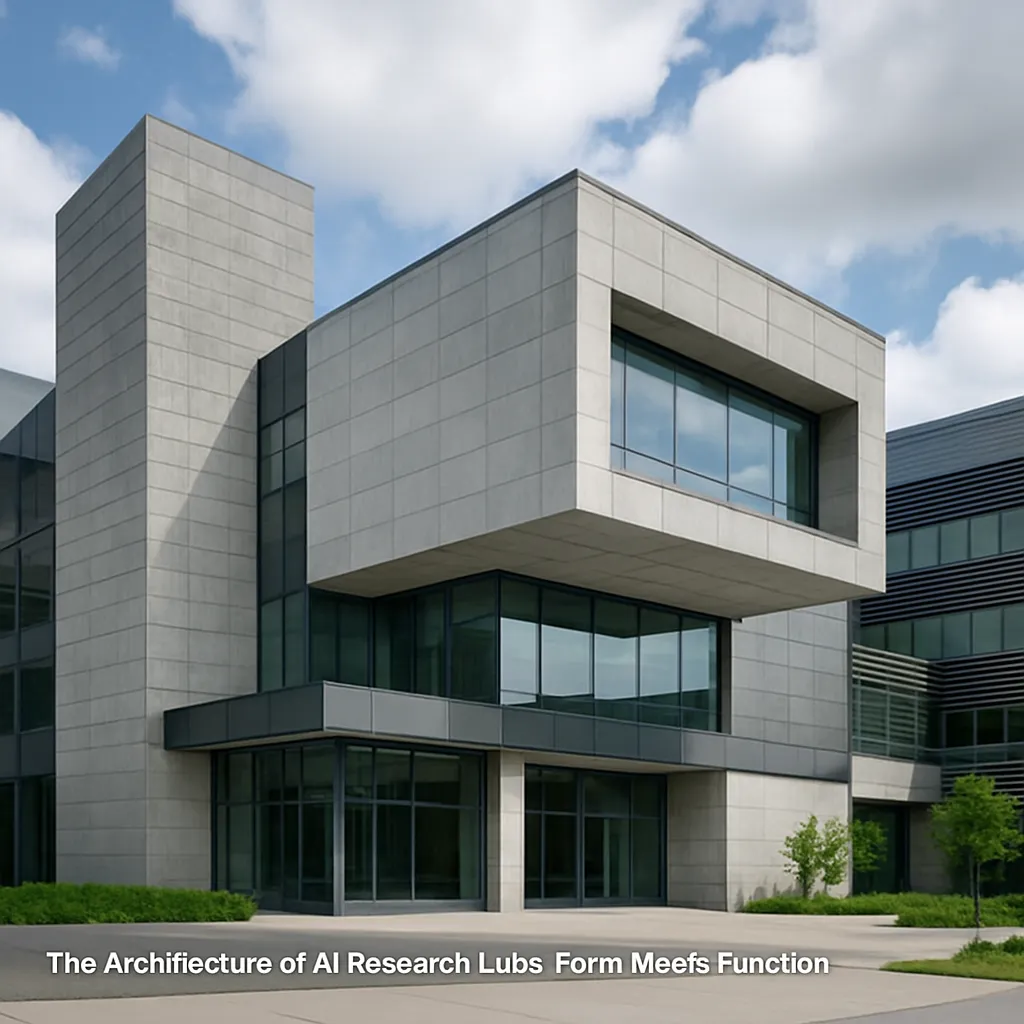
The convergence of architectural ingenuity and cutting-edge computing is redefining research environments. Within AI research facilities, form seamlessly integrates with function, creating spaces that foster innovation while sustaining rigorous scientific inquiry. By exploring how Futuristic Architecture shapes user experience and performance, this article examines the underlying principles that guide the design of tomorrow’s AI laboratories. From flexible geometries to immersive digital overlays, each design choice strives toward optimal efficiency and transformative collaboration.
Design Principles Shaping Futuristic AI Labs
Architects and engineers are developing AI research hubs that balance spatial dynamics with technical demands. At the heart of these facilities lies an ethos of modularity, enabling rapid reconfiguration of workstations, data centers, and communal zones. By adopting a layered approach, designers embed infrastructure within walls, floors, and ceilings. These concealed networks ensure seamless power distribution, environmental controls, and data throughput without compromising aesthetics. Careful attention to natural light channels and acoustic zoning further elevates occupant wellness, creating an environment where creativity and precision coexist.
Adaptive Geometry and Modular Spaces
Spaces that can morph to accommodate shifting research agendas are crucial. Movable partitions, telescoping roofs, and sliding glass facades allow teams to reshape open-plan labs into isolated chambers within minutes. This adaptability reduces downtime between experiments and fosters interdisciplinary dialogue. Key features include:
- Retractable meeting pods equipped with smart sensors
- Floor-integrated power rails supporting mobile workstations
- Acoustic baffles on adjustable tracks to control sound levels
Such systems uphold both ergonomics and environmental control, ensuring that human factors and machine requirements align. The result is a workspace that feels alive, responsive to the ebb and flow of research activity.
Biophilic Integration and Sustainability
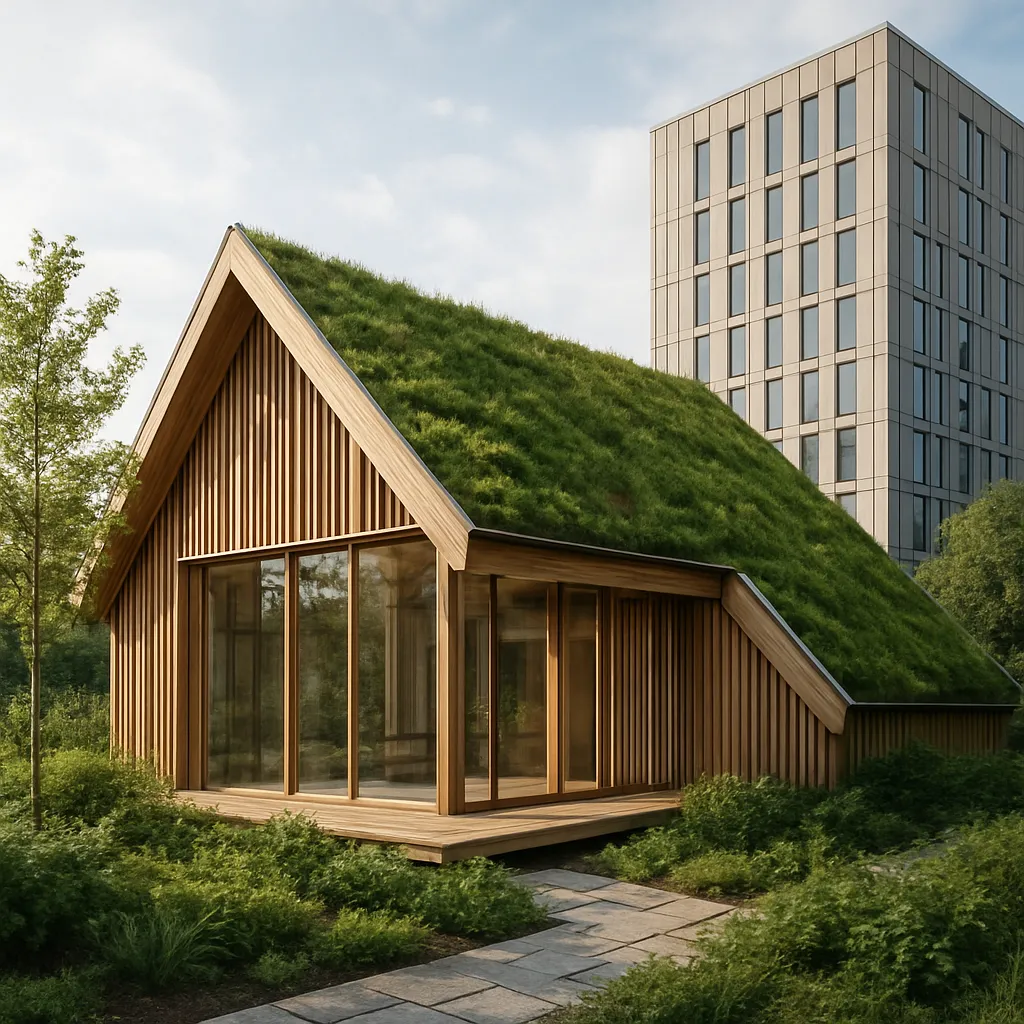
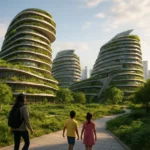
Embracing biophilic design principles, AI labs are weaving living walls, indoor gardens, and water features into core functions. These elements boost air quality, reduce stress, and enhance cognitive performance. Coupled with green roofs and photovoltaic arrays, the facilities often achieve net-zero energy targets. Advanced HVAC systems adjust in real time, responding to occupancy and weather patterns to optimize sustainability. Rainwater harvesting and greywater recycling support closed-loop water management. Collectively, these strategies reinforce the symbiosis between cutting-edge technology and natural ecosystems.
Integrating Cutting-edge Technology into Built Environments
AI research labs must accommodate powerful supercomputers, robotics platforms, and mixed-reality installations. The architecture serves as a physical manifestation of the AI lifecycle, from concept to deployment. By embedding diagnostic sensors throughout, facility managers gain predictive maintenance insights, minimizing unexpected failures. Designers leverage digital twins—virtual replicas of the built environment—to simulate energy flows, airflow patterns, and human circulation, enabling iterative optimization before construction even begins.
Smart Infrastructure and Ambient Intelligence
Advanced sensor arrays and edge-compute nodes transform labs into Ambient Intelligence ecosystems. Smart lighting rigs adjust intensity based on task, while adaptive blinds modulate daylight to reduce glare on AR displays. Real-time analytics optimize cooling for GPU clusters by dynamically redirecting chilled water to hotspots. Researchers benefit from voice-activated controls and gesture-based interfaces, eliminating manual toggles and promoting hands-free interactions. The design language emphasizes seamless transitions between digital and physical realms, reinforcing a culture of continuous experimentation.
Immersive Virtual Environments
Beyond traditional workspaces, many AI facilities incorporate dedicated zones for VR and AR collaboration. Dome-shaped projection theaters offer 360-degree data visualizations, enabling teams to explore neural network activations or multi-dimensional datasets at scale. Meanwhile, holographic conferencing pods connect distributed researchers through life-size avatars. These immersive arenas demand precise spatial calibration, acoustics, and latency control. Architects integrate waveguides and specialized acoustic panels to ensure both visual fidelity and sound integrity, reinforcing the facility’s commitment to connectivity and experiential depth.
Environmental and Social Impacts
Futuristic AI labs not only push technological frontiers but also shape social dynamics. Open foyers and communal terraces encourage spontaneous encounters, transforming chance interactions into novel research synergies. By prioritizing transparency—through glass-enclosed corridors and visible server farms—organizations demystify high-performance computing, inviting broader engagement from stakeholders, students, and the public. This approach underlines the importance of ethical stewardship, ensuring that advanced AI research remains grounded in societal benefit.
Community Engagement and Collaborative Culture
Regions hosting these research hubs often experience economic revitalization. Public lecture halls, innovation incubators, and co-working zones within the same complex foster an ecosystem where startups and academic teams coalesce. Workshops, hackathons, and art installations weave technology into the cultural fabric, making AI accessible beyond specialized laboratories. This ethos of collaboration catalyzes cross-pollination of ideas, generating solutions that resonate from urban planning to healthcare.
Resilience and Futureproofing
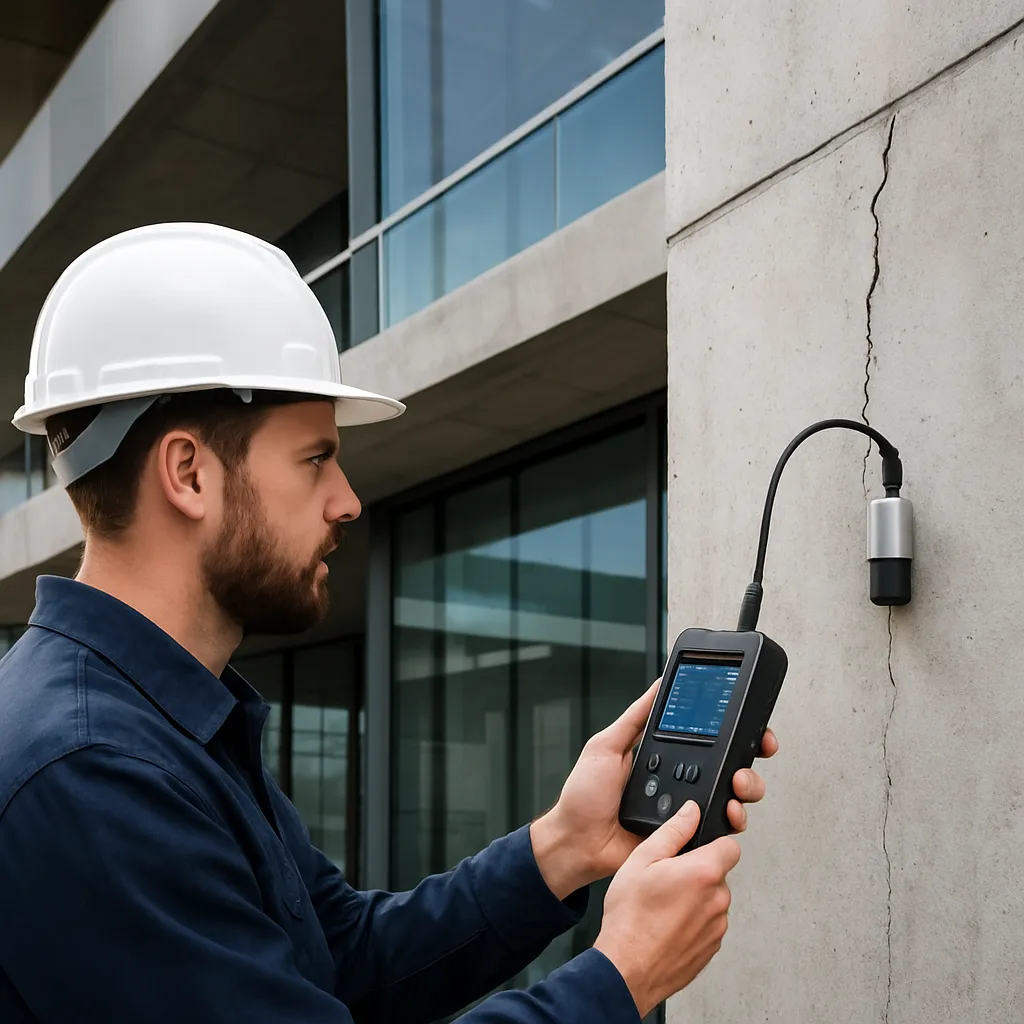
Designing for the unknown requires robust strategies that anticipate technological evolution and climate challenges. Facilities incorporate redundant power sources such as microgrids and on-site battery banks to maintain uninterrupted research during grid failures. Structural elements employ adaptive materials capable of self-healing minor cracks or reconfiguring porosity to regulate humidity. By embedding sensors in critical components, building management systems gain fine-grained insights, enabling preemptive repairs. This commitment to resilience ensures that the architectural framework remains a dependable partner in the relentless pursuit of AI advancement.