






The convergence of spiritual purpose and architectural innovation is charting an unprecedented course for places of worship. This exploration delves into how tomorrow’s religious buildings will transcend mere function to become immersive sanctuaries, blending cutting-edge technology with ancient traditions. By reimagining sacred spaces through the lenses of sustainability, biophilic integration, and global interconnectivity, designers are crafting environments that foster deeper connections between congregants, nature, and the divine.
Emerging Technologies in Spiritual Spaces
Advancements in digital tools and materials science are transforming the very fabric of religious architecture. Architects are leveraging parametric design, responsive materials, and AI-driven systems to create environments that adapt in real time to the needs of worshippers. Such dynamic features honor the fluidity of spiritual experience while ensuring optimal comfort and acoustics during ceremonies.
AI and Adaptive Environments
Artificial intelligence can now monitor ambient conditions—light, temperature, air quality—and adjust building systems accordingly. Imagine a cathedral whose stained-glass walls automatically dim or brighten to mirror the liturgical calendar or a mosque with climate-responsive ceilings that alter airflow patterns for the comfort of the faithful. Through AI, the building itself becomes an active participant in the sacred ritual, aligning every detail with the intended emotional atmosphere.
Immersive Virtual Sanctuaries
Virtual and augmented reality are expanding the reach of religious communities beyond physical confines. Pilgrims unable to travel may don a headset and be transported to a virtual re-creation of Mecca’s Grand Mosque or a reconstructed ancient temple, complete with acoustic modeling that mirrors real-world reverberation. These digital sanctuaries nurture community bonds and spiritual practice in an increasingly globalized world, allowing believers to share rituals and prayers across continents in real time.
Biophilic Integration and Sustainability
As environmental stewardship becomes integral to ethical architecture, religious buildings are pioneering approaches that symbolize respect for all creation. By weaving organic forms and living systems into their design, these structures evoke the sacred unity between humanity and nature.
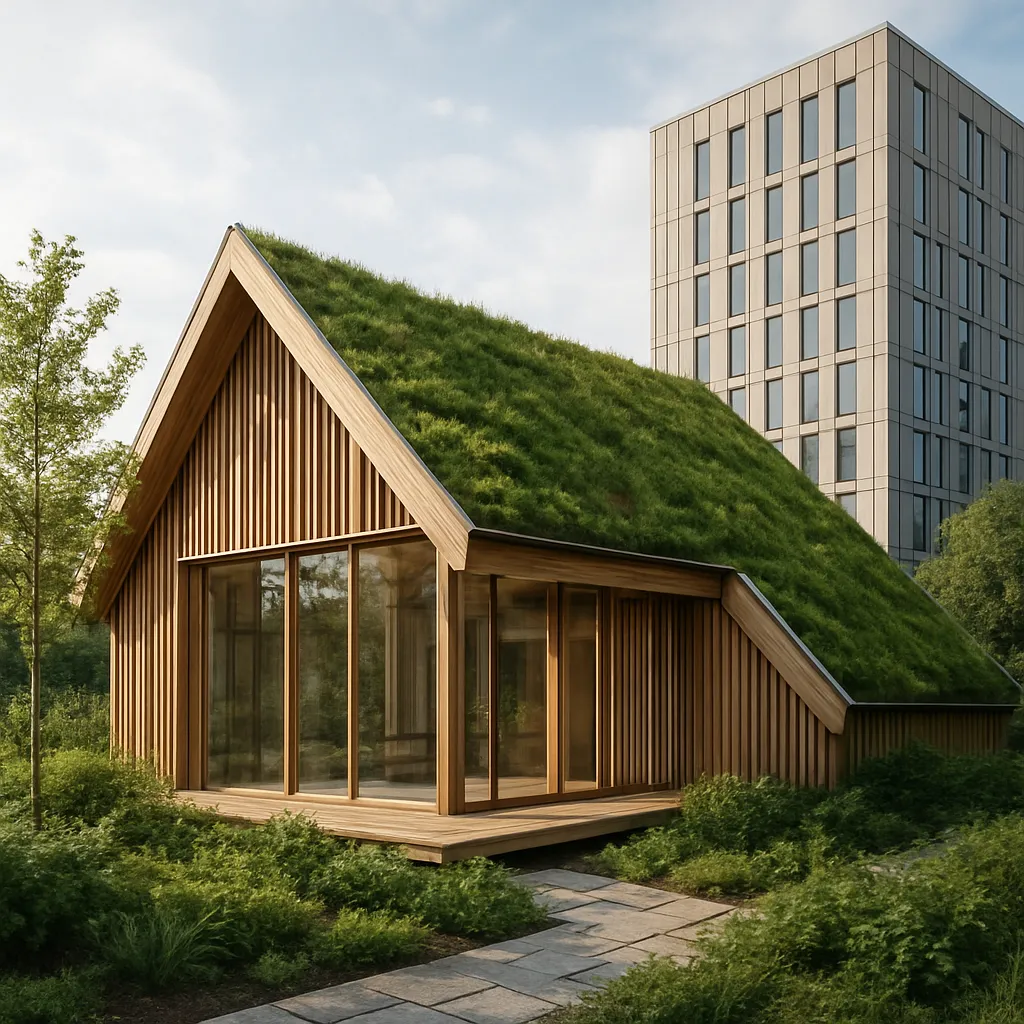
- Green Roofs and Living Walls: Combining thermal performance with lush vegetation, rooftops covered in native flora reduce urban heat while providing contemplative gardens above the hustle of the city.
- Rainwater Harvesting: Courtyards and cloisters channel precious rainfall into underground cisterns, offering a visual reminder of life’s cyclical nature and the importance of conservation.
- Rammed Earth and Reclaimed Materials: Earthy textures and reclaimed timbers lend authenticity to worship spaces, forging a sensory bond with ancestral building techniques and the planet’s resources.
These strategies reinforce the sense of harmony between built and natural environments, inviting worshippers to reflect on the resilience of ecosystems and the role of faith in safeguarding our world.
Community, Interconnectivity, and the Future of Worship
Futuristic religious centers emphasize not only solitary contemplation but also collective engagement. Architectural design fosters community cohesion by offering multipurpose areas that seamlessly transition from prayer halls to lecture spaces, art exhibitions, and social services hubs. Such versatility embodies the holistic mission of faith institutions, meeting spiritual, educational, and humanitarian needs under one roof.
Networked Congregations
Smart textiles embedded in prayer mats can transmit biometric feedback—heart rate, breathing patterns—to a central system, allowing communal prayers to synchronize in unexpected ways. Remote congregants might observe these data visualizations on large screens or through personal devices, experiencing real-time solidarity across neighborhoods and time zones.
Modular and Mobile Structures
Inflatable chapels or foldable temple pods can be deployed swiftly in disaster zones or refugee camps, offering solace to displaced populations. These portable sanctuaries utilize lightweight composites and solar membranes for rapid assembly, emphasizing the innovation and compassion inherent in many faith traditions.
Designing for Transcendence and Well-being
The ultimate goal of religious architecture remains to facilitate moments of exaltation and inner peace. By integrating sensory design principles—light choreography, sonic landscapes, tactile surfaces—spaces guide worshippers toward elevated states of mind. Transcendence is achieved when every architectural element aligns to uplift the human spirit.
- Light as Sacred Medium: Programmable LED arrays embedded in ceilings can mimic celestial patterns or shift through colors that correspond to sacred texts, creating dynamic visual narratives.
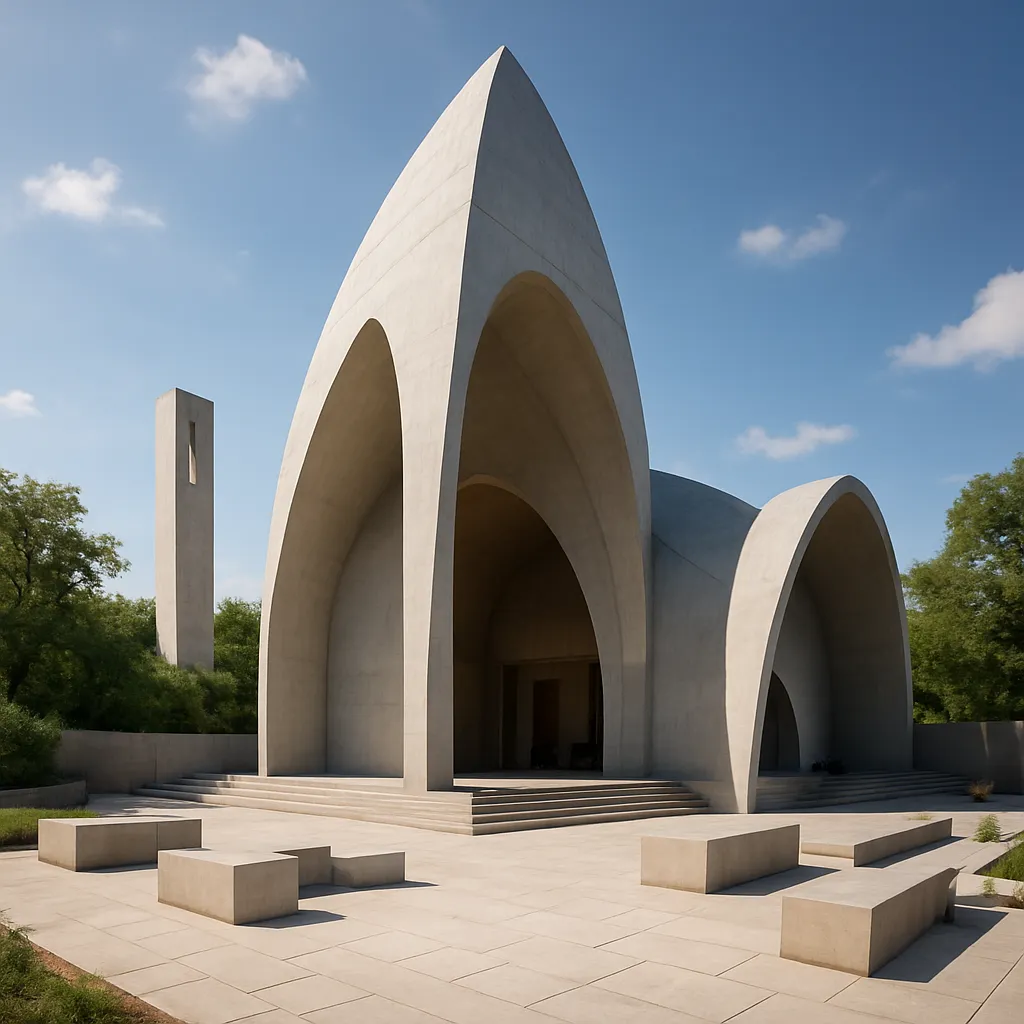
- Soundscaping and Acoustics: Curved walls and metamaterials sculpt auditory experiences, ensuring prayers resonate with clarity while ambient noise is attenuated.
- Material Tactility: Smooth stone, warm woods, and soft textiles invite physical interaction, grounding worshippers as they traverse moments of ritual and reflection.
By prioritizing human wellbeing, these designs honor the timeless quest for spiritual fulfillment, harnessing modern tools to deepen age-old practices. The interplay of technology and tradition yields spaces that are at once familiar and revolutionary, guiding communities toward unity and enlightenment.
Charting a Vision for Tomorrow’s Sacred Spaces
In reimagining religious architecture for the future, designers must balance innovation with respect for heritage, sustainability with expressiveness, and individual contemplation with collective experience. The path forward is defined by a commitment to inclusivity, technological progress, and ecological responsibility. As faith communities embrace these advancements, their spiritual structures will stand as testaments to human creativity and our enduring search for the divine.