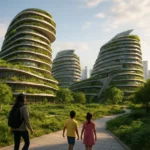
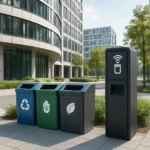


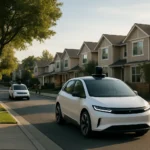
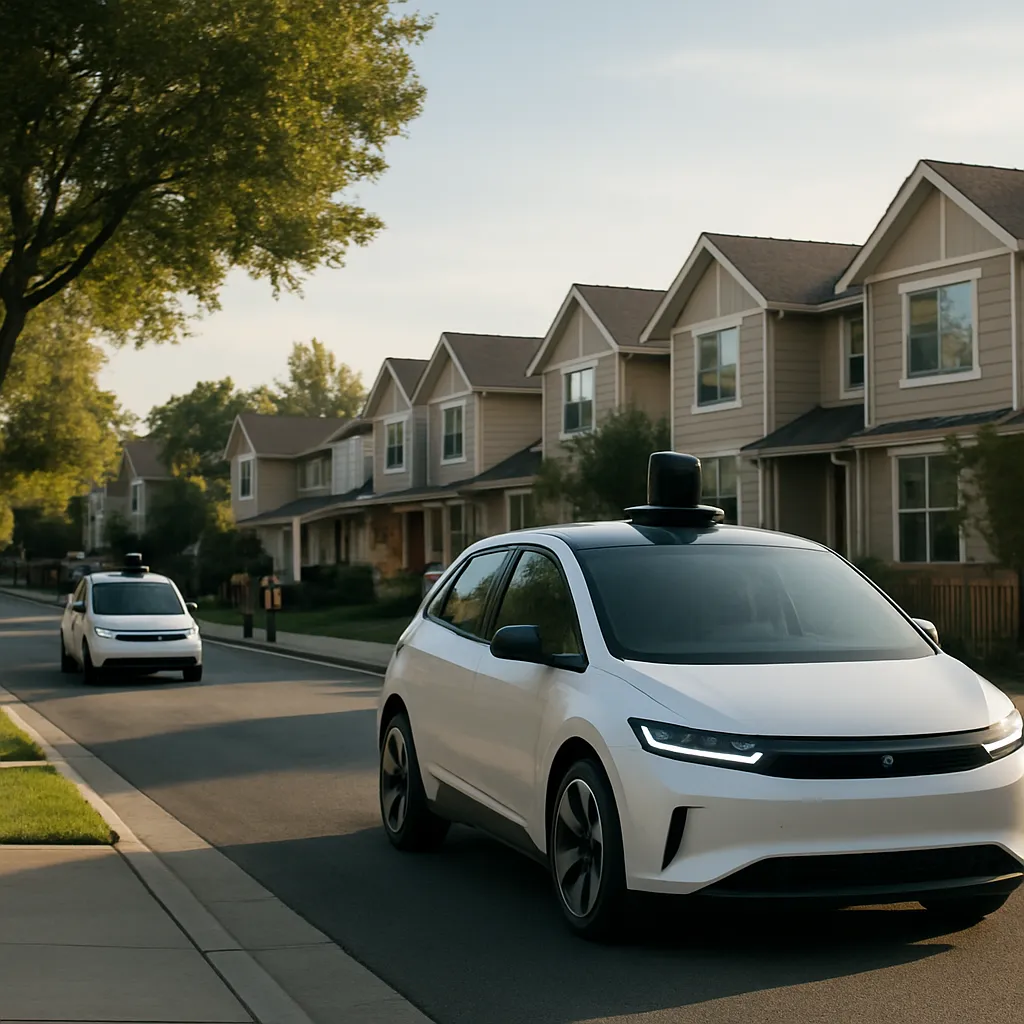
The Rise of Autonomous Neighborhoods explores the cutting-edge evolution of urban living where architecture merges with smart systems to create self-sustaining, adaptive communities. This visionary movement redefines how people interact with buildings, energy networks, and each other, elevating the role of technology in daily life. As these autonomous districts proliferate, they promise unparalleled levels of integration between physical infrastructure and intelligent management, paving the way toward resilient, efficient, and community-driven urban environments.
Conceptual Foundations of Self-Governing Districts
Emergence of Self-Governing Districts
The concept of neighborhoods operating with minimal external input rests on decentralized governance, local resource loops, and real-time data analytics. Communities harness on-site renewable energy generation—solar panels, small-scale wind turbines, and kinetic paving—to power homes and public spaces. Advanced sensors monitor consumption and environmental conditions, feeding into local AI hubs that optimize distribution. This approach reduces reliance on centralized utilities and fosters a sense of ownership and accountability among residents. By integrating transparent decision-making platforms, inhabitants vote on upgrades or policy adjustments, reinforcing resilience and social cohesion.
Technological Underpinnings
At the core of these districts lies a mesh of Internet of Things (IoT) devices, edge computing nodes, and machine learning models. Robotics fleets perform routine maintenance: inspecting water pipelines, cleaning façades, and repairing wear points without direct human oversight. Building envelopes adapt dynamically through electrochromic glass and shape-shifting panels, responding to sunlight and thermal loads. Underpinning all this is a unified communications grid utilizing 5G or satellite links, ensuring uninterrupted data flow. Such an architecture elevates modularity so that individual blocks can be upgraded independently, extending the lifecycle of structures and reducing waste.
Architectural Innovations and Modular Design
Adaptive Building Skins
Innovative façades equipped with embedded actuators and sensors allow walls to breathe, open, or insulate according to external conditions. These living skins regulate airflow, harvest rainwater, and activate photovoltaic cells when solar conditions peak. Dynamic shading systems track the sun’s path and reconfigure themselves to maximize comfort and minimize energy loads. The synergy between form and function exemplifies how integration of mechanical, electrical, and material sciences leads to buildings that behave more like organisms than inert objects. Architects now speak of structures that can learn from weather patterns, reducing the need for human intervention.
Prefabrication and 3D Printing
Prefabricated modules produced off-site streamline construction timelines and shrink logistical footprints. Advances in large-scale 3D printing allow swift fabrication of curvilinear forms and customized components using recycled or bio-based materials. On-site robotic assemblers slot these modules together with millimeter precision. This new paradigm not only cuts waste by up to 70% but also empowers architects to explore radical geometries previously deemed impractical. The marriage of modularity with digital design tools accelerates iterations, enabling rapid prototyping and community-driven co-design workshops where residents contribute to planning.
- High-strength biopolymers for load-bearing walls
- Reusable formwork systems enabling dynamic site layouts
- Real-time structural health monitoring for predictive maintenance
Integration of AI and Robotics in Urban Fabric
Autonomous Maintenance Drones
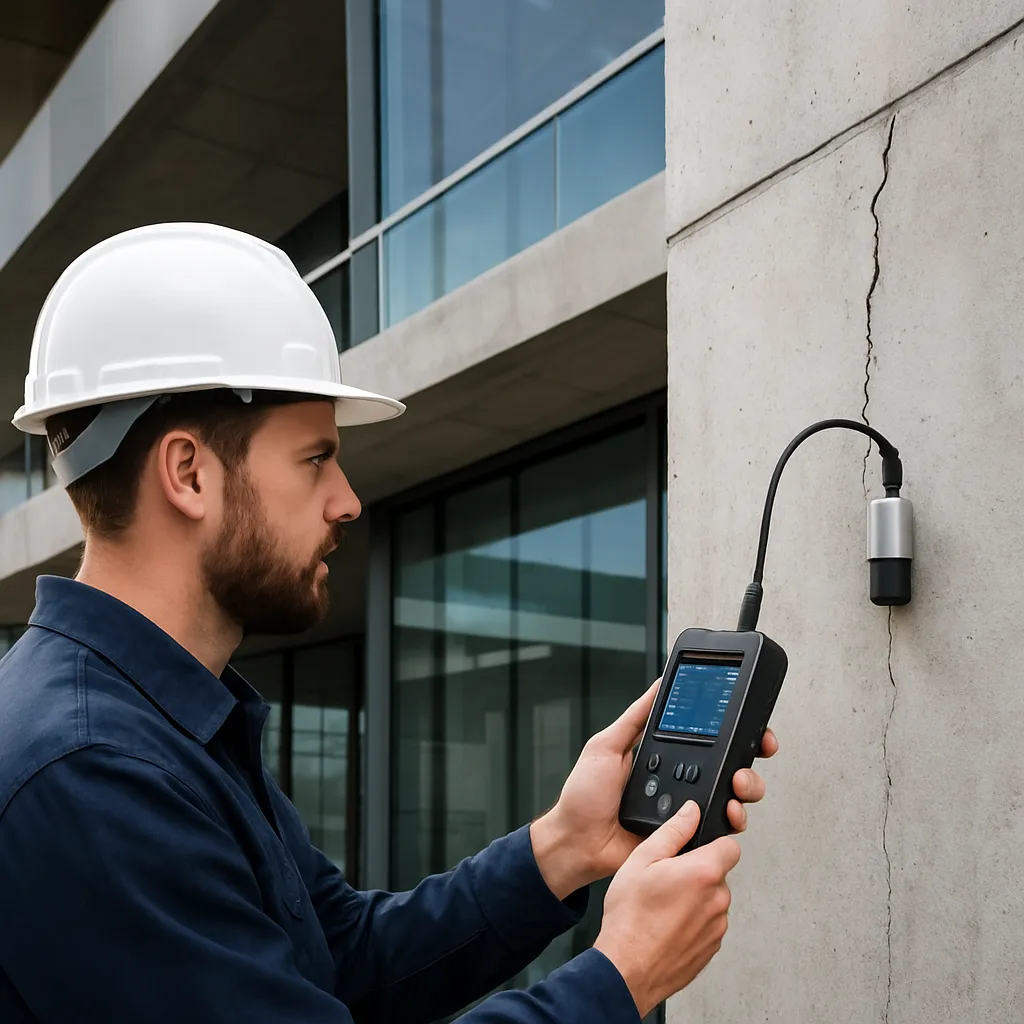
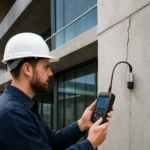
Fleets of aerial and ground-based drones patrol public zones, detecting cracks, leaks, or vandalism. Equipped with thermal cameras and LIDAR, these drones feed data into central processing units that dispatch micro-robots for patch repairs. Their autonomous routines adhere to safety protocols, avoiding pedestrian paths and alerting residents to upcoming maintenance tasks via smartphone notifications. The result is near-zero downtime for critical services and an unprecedented level of resilience in infrastructure management.
Smart Energy Distribution
Decentralized microgrids form the backbone of neighborhood power systems. Local AI controllers predict demand peaks and shift storage reserves accordingly, while blockchain-based ledgers enable peer-to-peer energy trading. Households with surplus solar generation sell credits to neighbors, fostering a local economy that rewards efficiency. In winter, thermal batteries store excess heat from communal heating plants, discharging it on cold nights. This tightly woven energy network showcases how sustainability and community values can coalesce into a robust, self-regulating ecosystem.
- Predictive load balancing for fluctuating renewable inputs
- Distributed ledger security against cyber intrusions
- Adaptive tariffs encouraging off-peak usage
Sustainability, Resilience, and Future Prospects
Climate-Adaptive Structures
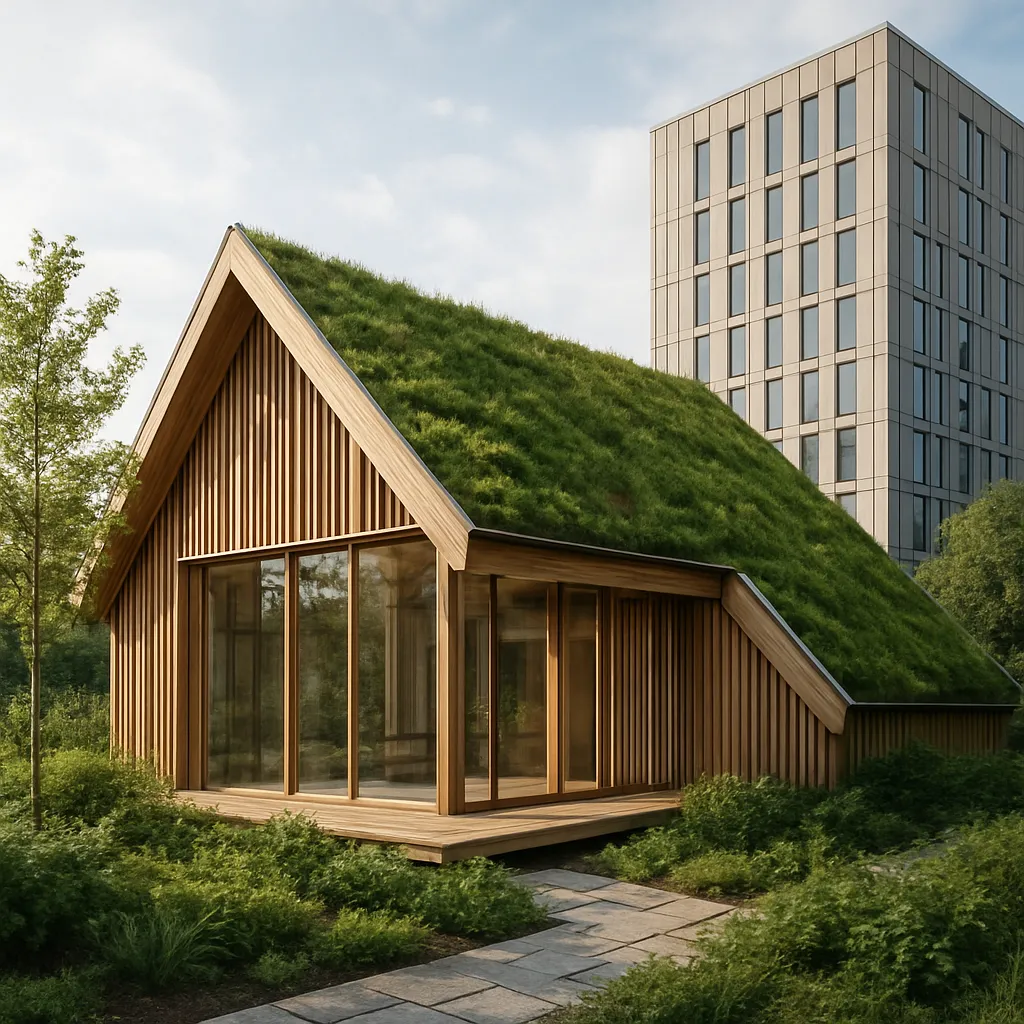
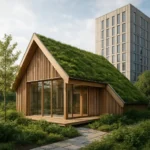
Buildings now feature bioresponsive materials that shift permeability and stiffness based on humidity and temperature. Living roofs with native flora improve urban biodiversity and reduce heat island effects. Underground thermal exchangers stabilize interior climates year-round, slashing HVAC requirements. Floodable plazas act as seasonal water basins, preventing overflow during storms while storing potable reserves for dry months. Such designs embody a holistic approach to environmental integration, harmonizing human habitats with natural cycles.
Community-Centric Planning
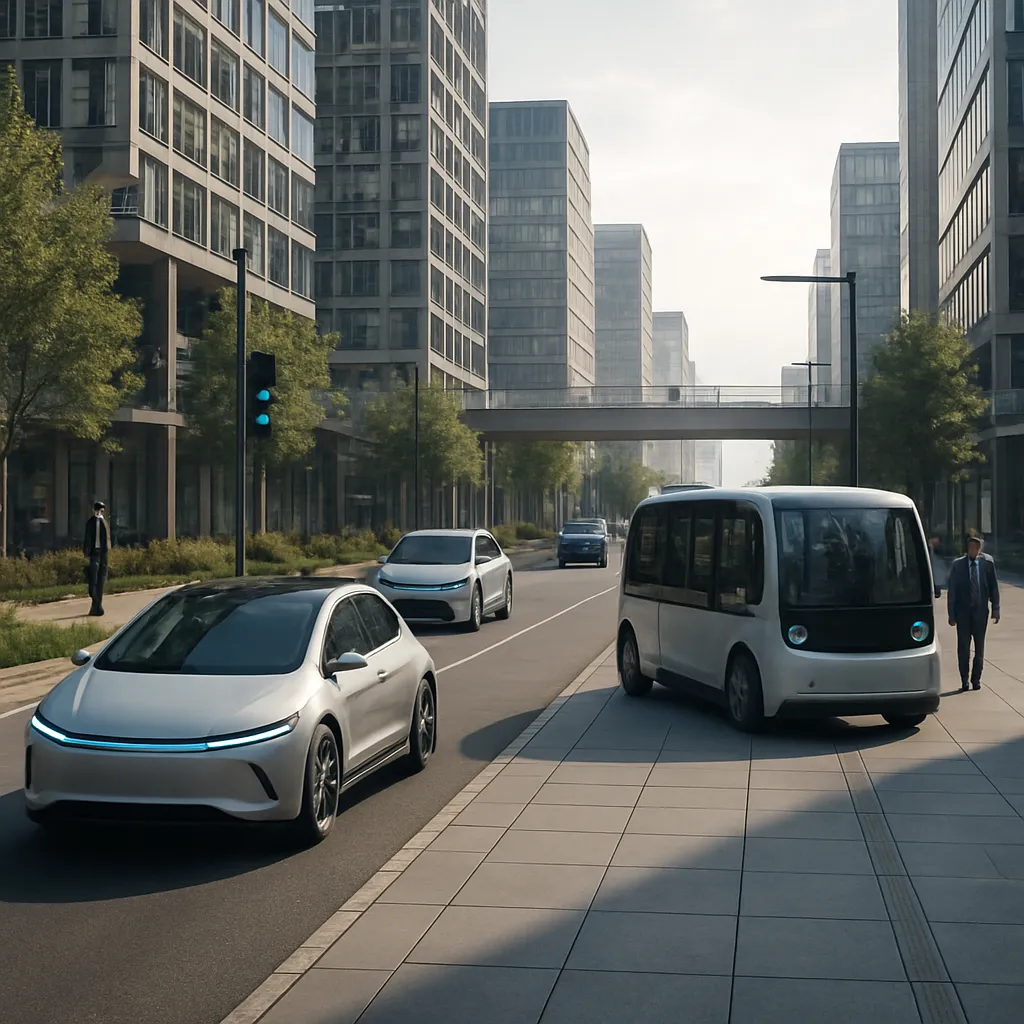
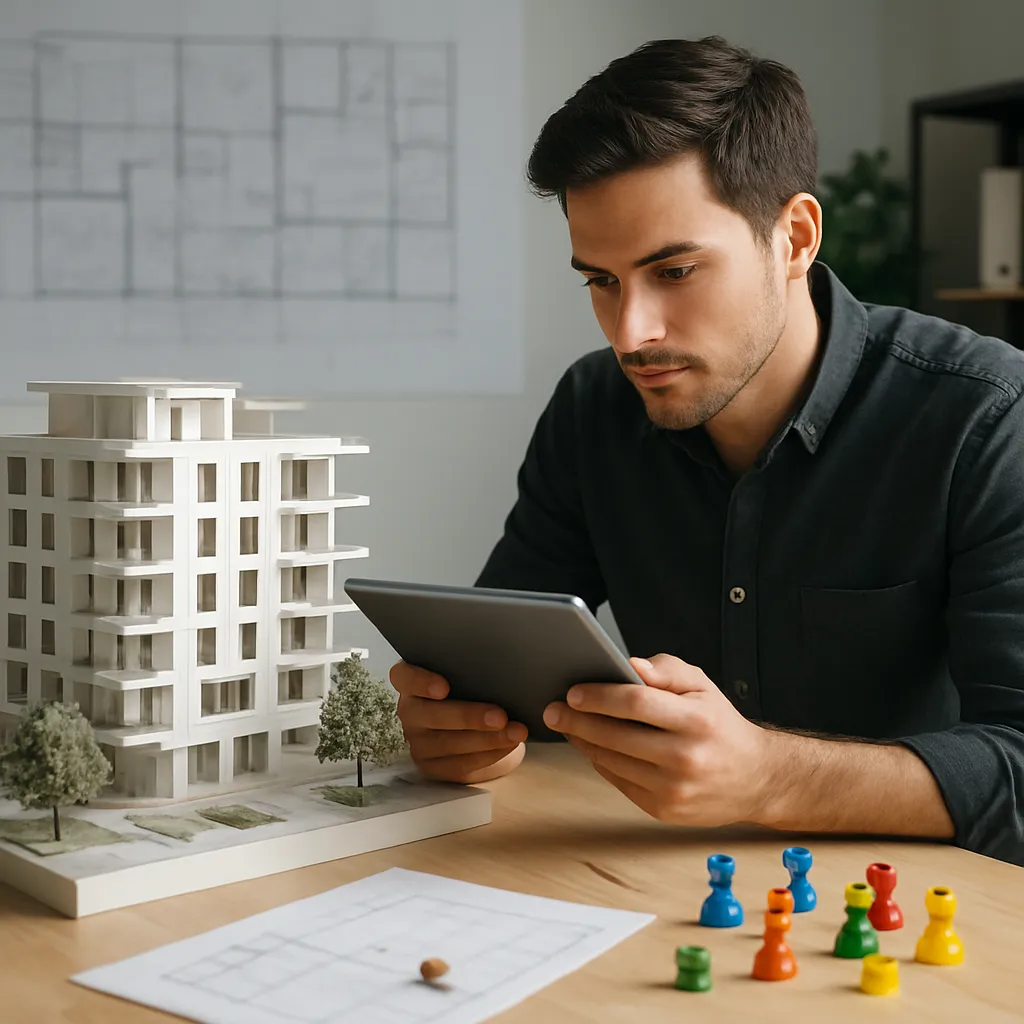
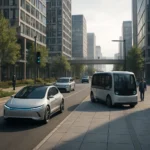
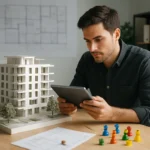
Beyond bricks and mortar, technology facilitates social resilience. Augmented reality platforms let neighbors pinpoint areas in need of repair or propose new public art installations. Collaborative workshops harness digital twins—virtual replicas of the built environment—so stakeholders can visualize changes before implementation. Shared mobility hubs integrate autonomous shuttles and e-bikes, reducing parking footprints and encouraging active lifestyles. Education centers offer courses on renewable tech maintenance, equipping residents with skills to steward their autonomous enclave for generations.