



The intersection of artificial intelligence and hospitality architecture promises an era where built environments not only respond to human needs but also anticipate desires before they arise. By integrating data-driven design, adaptive systems, and machine learning algorithms, architects and hoteliers can craft spaces that offer truly immersive and personalization experiences. This exploration delves into the transformative potential of AI in shaping the hotels, resorts, and public venues of tomorrow.
Conceptualizing AI-Enhanced Spaces
At the heart of futuristic hospitality architecture is the shift from static blueprints to dynamic, learning structures. Through continuous feedback loops of occupant interactions and environmental data, buildings can evolve their layouts, lighting schemes, and even aesthetic themes. This approach elevates the concept of end-to-end design by embedding predictive intelligence into every material and system.
- Modular Interiors: Prefabricated wall panels, ceilings, and furniture components equipped with sensors enable real-time reconfiguration of rooms to suit different functions, from business conferences to spa retreats.
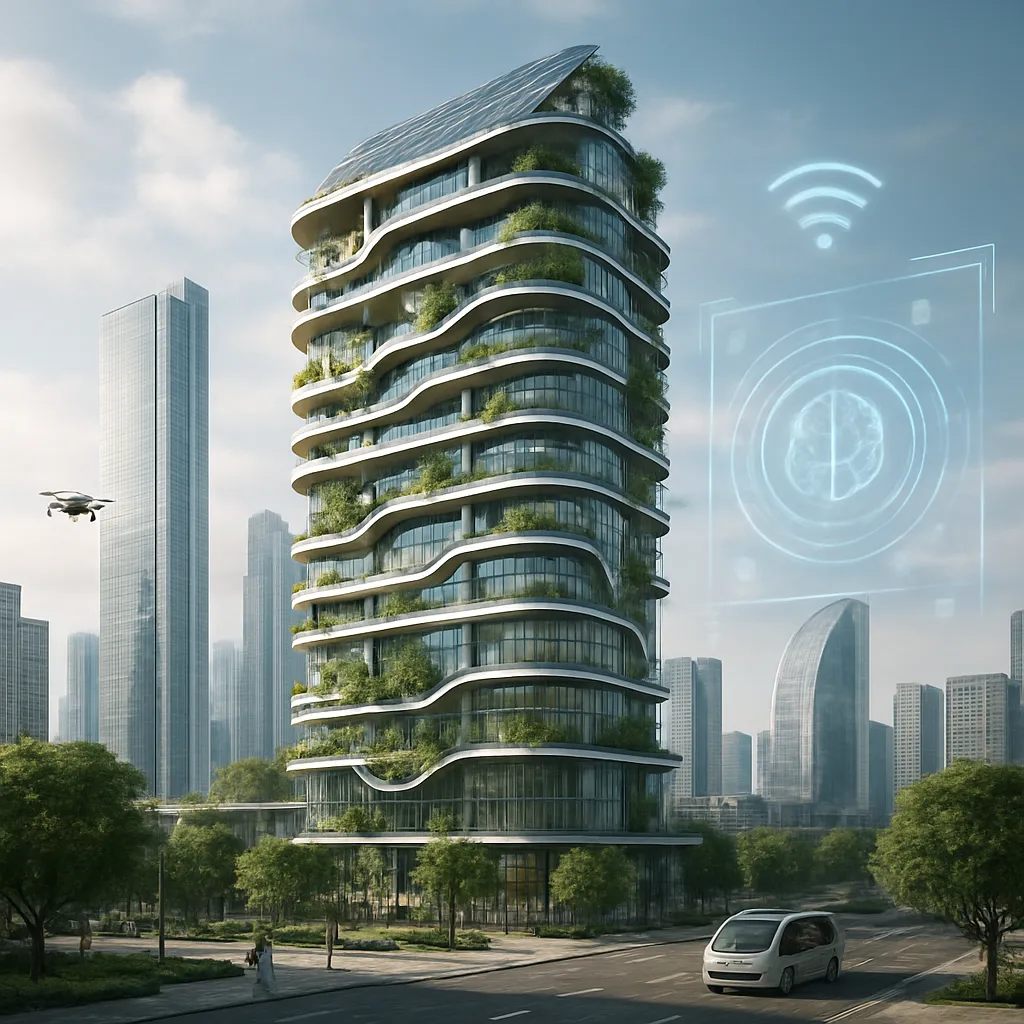
- Smart Facades: Exterior cladding elements integrated with AI-driven shading and transparency controls can adjust solar gain, glare, and thermal performance based on weather forecasts and occupancy patterns.
- Responsive Ambiance: Lighting, acoustics, and scent-dispersion systems aligned with guests’ biometric feedback ensure continual comfort and mood enhancement throughout a stay.
Designers now harness analytics platforms to simulate countless scenarios, optimizing floorplans for flow, safety, and enjoyment. This data-centric workflow encourages a seamless marriage between architectural intent and operational agility.
Intelligent Guest Engagement
AI-driven hospitality transforms every interaction into an opportunity for delight. By unifying databases across booking platforms, property management systems, and in-room devices, hotels can deliver hyper-personalized encounters from arrival to departure.
Seamless Arrival Experiences
- Facial recognition gates expedite check-in by matching guests to reservation profiles, granting room access without physical keys.
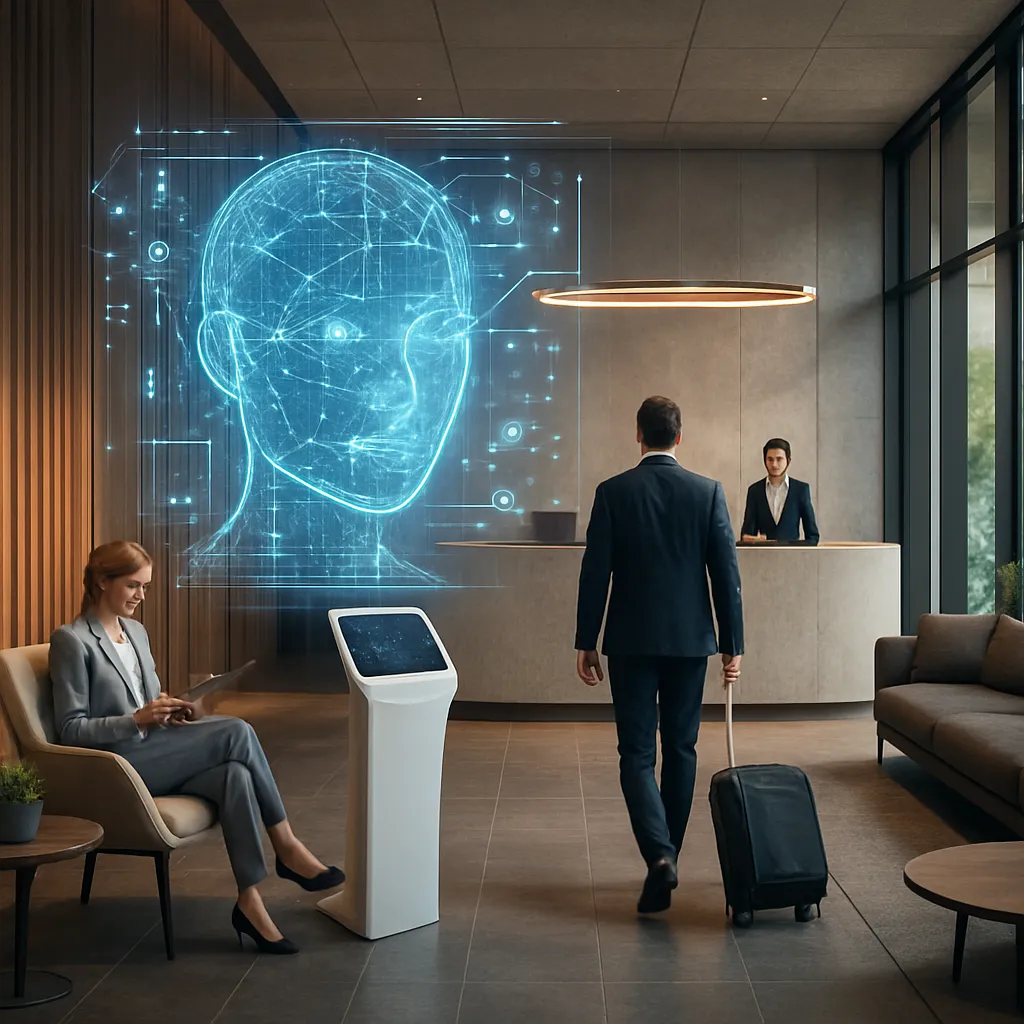
- Chatbots and voice assistants embedded in lobby kiosks or mobile apps handle concierge requests proactively—suggesting local attractions, booking spa treatments, or coordinating meal preferences.
Adaptive Guest Rooms
Imagine a room that tunes itself to your habits: curtains draw at sunrise, temperature modulates as you wake, and personalized art displays cycle based on your taste. By analyzing historical stay data and real-time sensor inputs, rooms achieve unparalleled connectivity with inhabitants.
Sustainable, Responsive Infrastructure
Environmental stewardship merges with AI proficiency to create hospitality venues that are as gentle on the planet as they are comfortable for guests. Advanced monitoring networks and self-learning control systems yield continuous improvements in resource management.
- Energy Optimization: AI orchestrates HVAC, lighting, and power distribution by correlating occupancy heatmaps with weather forecasts, minimizing wastage without compromising comfort.
- Water Conservation: Smart metering, leak detection, and greywater recycling loops governed by machine learning ensure every drop is accounted for and repurposed where feasible.
- Biophilic Integration: Algorithmically guided plant installations within public areas create living walls, oxygenating the air while contributing to natural biophilic aesthetics that uplift well-being.
Collaborations between AI specialists and green engineers promise self-regulating systems that learn and adapt, overtaking static “set-and-forget” methods to secure measurable gains in operational efficiency.
The Role of Robotics and Automation
In next-generation hospitality, robots and automated platforms are not novelties but essential team members. From room service couriers to maintenance drones, every task becomes an opportunity for enhanced productivity and guest satisfaction.
- Service Bots: Autonomous carts navigate corridors delivering amenities, meals, or laundry, communicating with elevators and corridors through building-wide AI networks.
- Maintenance Drones: Aerial or ground-based drones perform routine inspections of façades, HVAC systems, and fire safety installations, reporting anomalies and scheduling fixes without human oversight.
- Augmented Housekeeping: AR-equipped staff receive real-time room status updates—spotting spills, low soap dispensers, or linen changes—boosting turnaround times and guest readiness.
The synergy between paleobotanical materials and robotic fabrication also means unique furniture or decorative elements can be produced on-site, catering to emergent aesthetic trends or guest requests in record time.
Data Ethics and Privacy Considerations
As AI becomes deeply embedded in hospitality infrastructure, careful governance is paramount. Transparent data policies, secure encryption protocols, and user consent frameworks underpin the trust essential for widespread adoption of smart technologies.
- Consent-Driven Profiling: Guests maintain control over their personal and behavioral data, opting in to various levels of customization in exchange for enhanced service packages.
- Encrypted Communications: End-to-end encryption shields occupant data streams—from voice commands to biometric scans—ensuring confidentiality and compliance with global regulations.
- Algorithmic Accountability: Regular audits of AI workflows guarantee that personalization algorithms remain free from discriminatory biases or unintended profiling.
By championing ethical AI practices, the hospitality sector can sustain both innovation and guest trust, cultivating an environment where technology enriches human experiences without compromising privacy.
Future Directions and Emerging Trends
Looking forward, the convergence of virtual reality, AI-driven design, and hyperconnected infrastructures will further blur the lines between physical and digital realms. Concepts like holographic concierge avatars, immersive projection-mapped suites, and AI-curated cultural programming will become staples of high-end venues.
Moreover, as quantum computing gains traction, real-time simulations of entire buildings under varying load scenarios will empower architects to optimize structures at unprecedented scales. This will drive down costs, reduce carbon footprints, and accelerate the pace at which visionary hospitality projects come to life.
Ultimately, the next wave of hospitality architecture will be defined by buildings that learn, adapt, and collaborate—transforming each guest’s stay into a bespoke journey of comfort, wonder, and connection.