
The transformation of urban landscapes hinges on the evolution of public transportation hubs into dynamic, multifunctional environments. By marrying avant-garde architectural forms with advanced technologies, these nodes will redefine how people navigate cities. With growing emphasis on sustainability, resilience, and seamless connectivity, designers and planners are reimagining stations as more than mere transit points. They aspire to create living ecosystems that support social interaction, spur economic growth, and foster environmental regeneration.
Adaptive Design Strategies
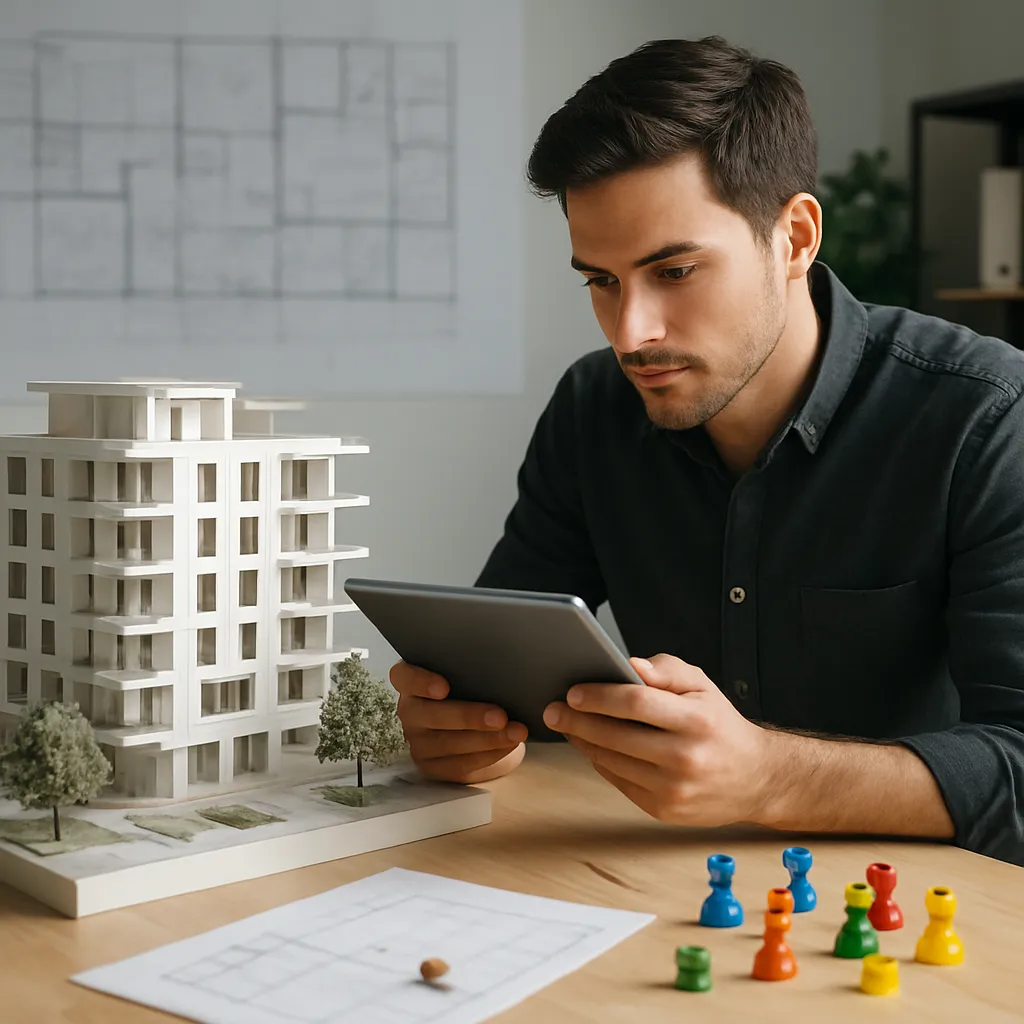
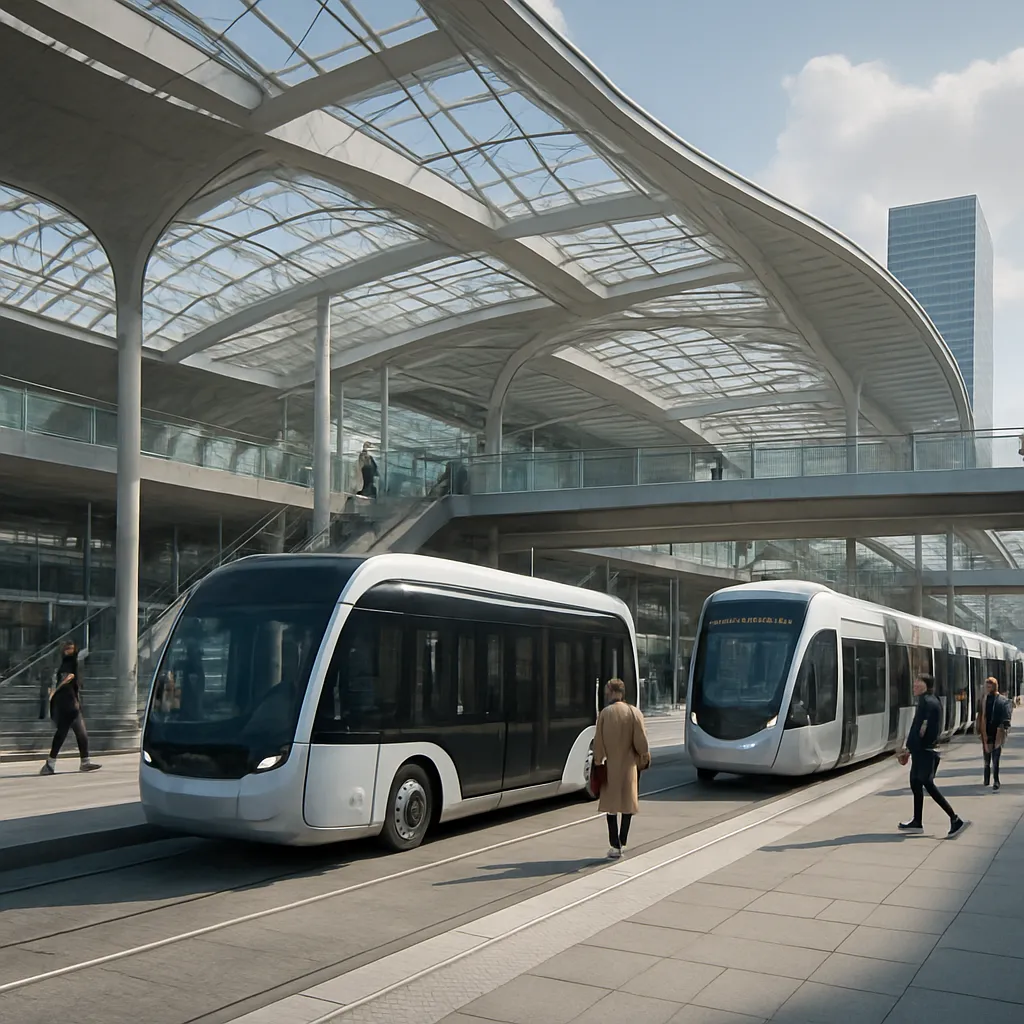
Emerging public transit hubs must accommodate fluctuating passenger volumes, evolving transport modes, and shifting urban demands. Architects are exploring modularity and kinetic structures that morph in response to real-time data. Deploying retractable canopies, transformable platforms, and sliding partitions, these facilities can expand during peak hours or contract to conserve energy when idle. Parametric modeling tools enable designers to simulate environmental factors—sunlight, wind patterns, pedestrian flow—to optimize building geometry for maximal comfort and minimal operational costs.
Key adaptive concepts include:
- Dynamic facades made of smart glass that adjusts transparency based on solar exposure.
- Reconfigurable waiting areas enabling quick programmatic changes for retail kiosks, galleries, or communal workspaces.
- Elevated walkways integrated with sensors to redirect crowds and prevent bottlenecks during major events.
These innovations enhance the overall efficiency of travel while fostering a sense of place. By envisioning stations as living organisms, architects ensure that infrastructure evolves continually to meet tomorrow’s mobility demands.
Sustainable Materials and Energy Solutions
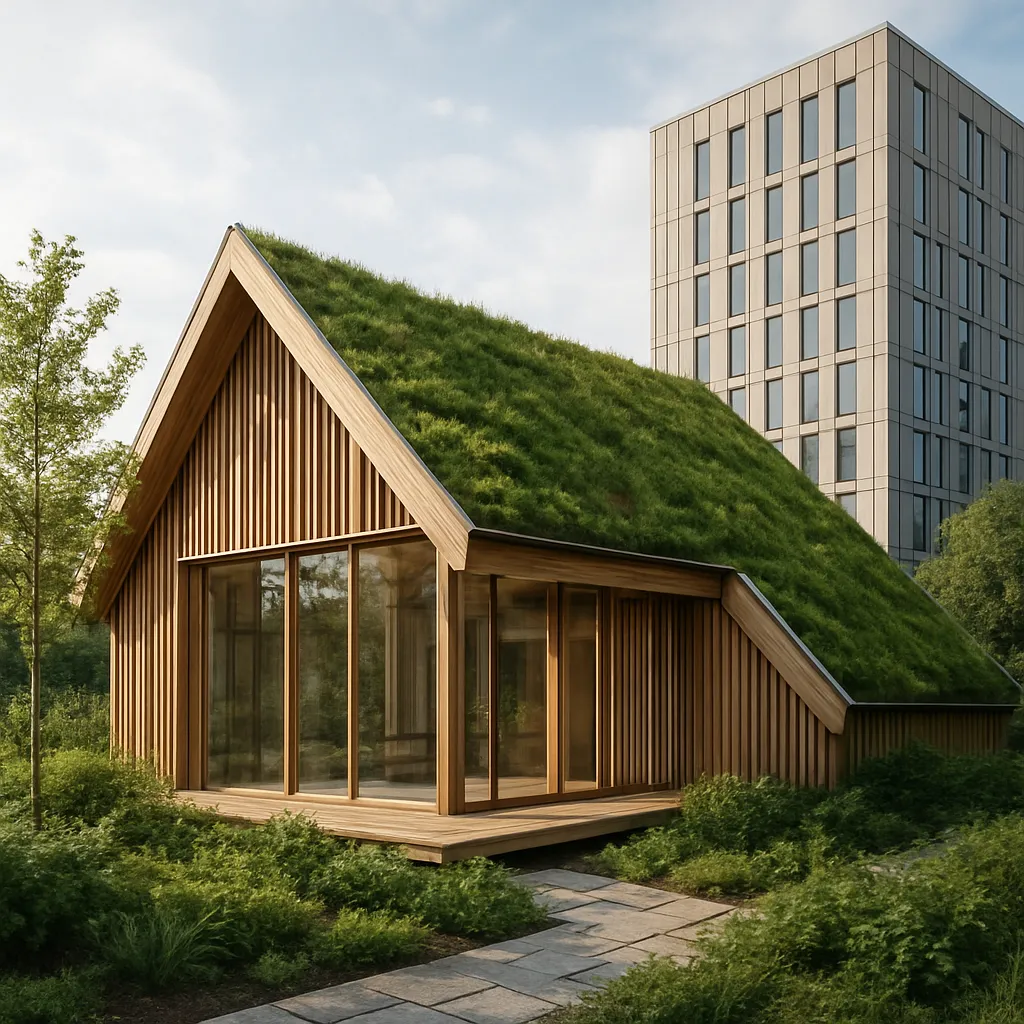
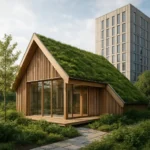
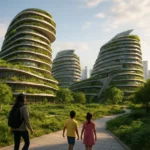
Integrating eco-friendly materials and renewable energy systems forms the backbone of future transportation centers. Engineered timber, recycled composites, and bio-based concrete replace traditional steel and cement, dramatically reducing embodied carbon. Green roofs and vertical gardens not only insulate structures but also support urban biodiversity and improve air quality. Harnessing geothermal heat, photovoltaic panels, and piezoelectric floors captures various energy streams—from solar radiation to footfall vibrations.
Designers deploy a combination of strategies for carbon-neutral operation:
- Phase-change materials that regulate indoor temperature swings without bulk mechanical HVAC systems.
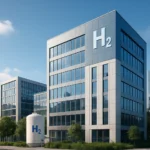
- Hydrogen fuel cells and vehicle-to-grid integration to store excess electricity generated on-site.
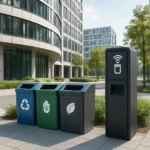
- Rainwater harvesting networks feeding greywater systems and irrigation for station gardens.
Moreover, adopting a circular economy mindset ensures components are designed for easy disassembly, reuse, and recycling at end of life. This regeneration-focused approach builds stations that not only serve people but also rejuvenate the surrounding ecosystem, turning transit hubs into green anchors within cities.
Digital Integration and Smart Infrastructure
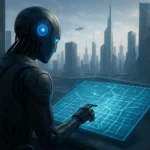
Public transportation nodes will evolve into connected nerve centers, seamlessly linking physical and digital realms. The Internet of Things (IoT) embeds sensors throughout facilities to monitor crowd density, air quality, and system performance in real time. Artificial intelligence algorithms analyze this data to optimize scheduling, climate control, and emergency response protocols. Augmented reality wayfinding, accessible via personal devices or interactive kiosks, guides passengers through sprawling complexes, adapting routes instantly to avoid congestion.
Essential smart infrastructure components include:
- Edge computing nodes that process data locally, reducing latency for mission-critical applications such as platform door operation.
- Blockchain-based ticketing to ensure secure, interoperable fare systems spanning multiple transit agencies.
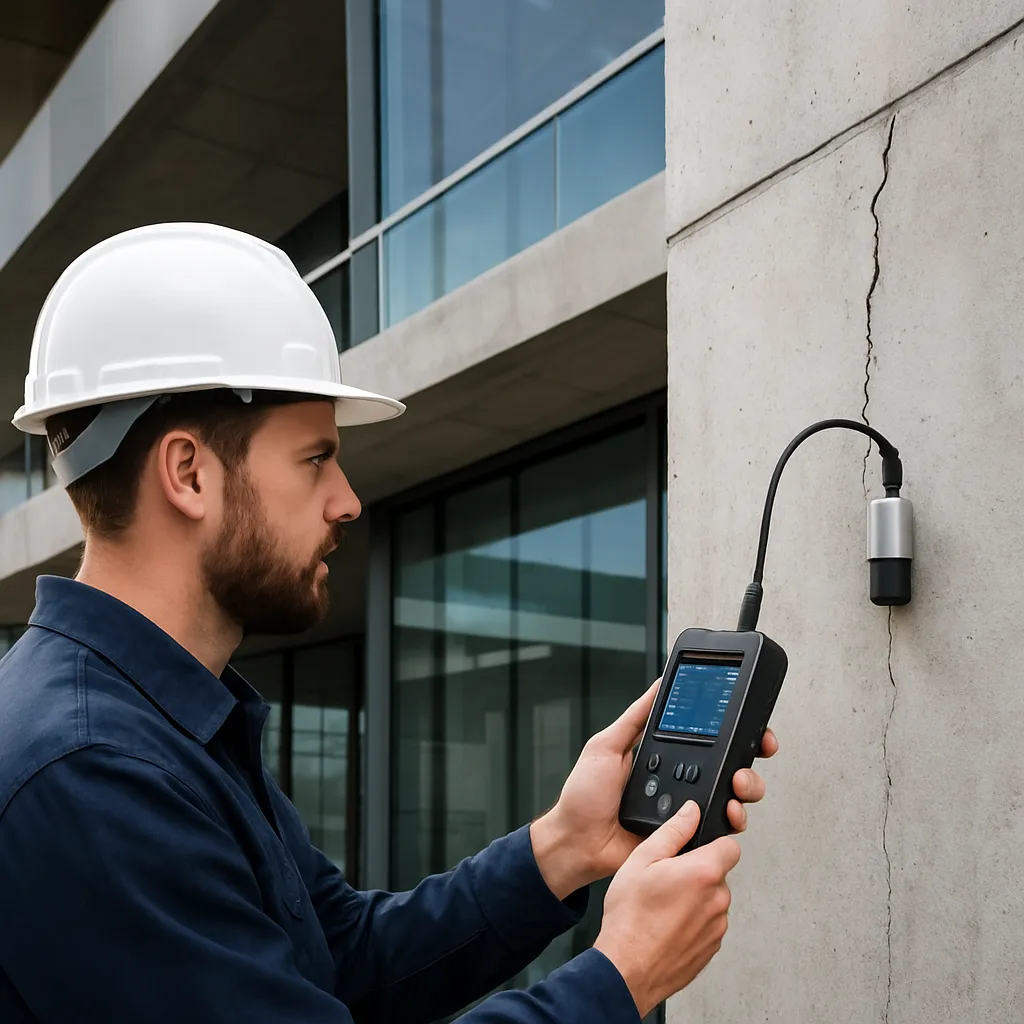
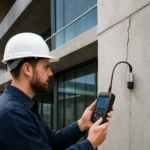
- Predictive maintenance platforms deploying machine learning to detect equipment wear and schedule proactive repairs.
Through these innovations, hubs transcend static architecture and become living digital ecosystems. Passengers experience unparalleled mobility convenience, while operators achieve unprecedented operational agility and cost savings.
Human-Centered Mobility Experience
Futuristic transit hubs prioritize user well-being and cultural engagement as much as logistical efficiency. Biophilic design elements—green walls, water features, natural daylight—create restorative environments that mitigate commuter stress. Comfortable seating, quiet zones, and adaptable co-working spaces support extended stays and remote work. Public art installations and performance spaces foster community ownership, turning stations into social destinations rather than mere thoroughfares.
Focus areas for enhancing the passenger experience involve:
- Inclusive design catering to all ages, abilities, and backgrounds, with tactile signage, multilingual interfaces, and universal access seating.
- Immersive soundscapes and ambient lighting that adjust to daily rhythms, improving wayfinding and mood regulation.
- Integrated retail and service pods offering local products, on-demand repairs, and automated lockers for last-mile deliveries.
This human-centered approach places equal weight on convenience and comfort, ensuring that every journey begins and ends on a note of delight and satisfaction. By embedding cultural narratives and social interaction into architectural layouts, stations become vibrant urban hubs.
Resilient Planning for Future Demands
As climate change intensifies and urban populations swell, future transit centers must demonstrate robust resilience against extreme weather, seismic events, and evolving travel patterns. Strategic site selection emphasizes elevated zones and flood-resistant materials. Modular emergency shelters, medical pods, and supply depots can be deployed swiftly in disaster scenarios. Collaborative planning with municipal authorities, utility providers, and community stakeholders ensures cohesive response frameworks.
Long-term resilience strategies encompass:
- Redundant power systems—microgrids with battery storage and alternative generation—to maintain critical operations during blackouts.
- Adaptive water management infrastructures that buffer storm surges, filter pollutants, and repurpose runoff for station amenities.
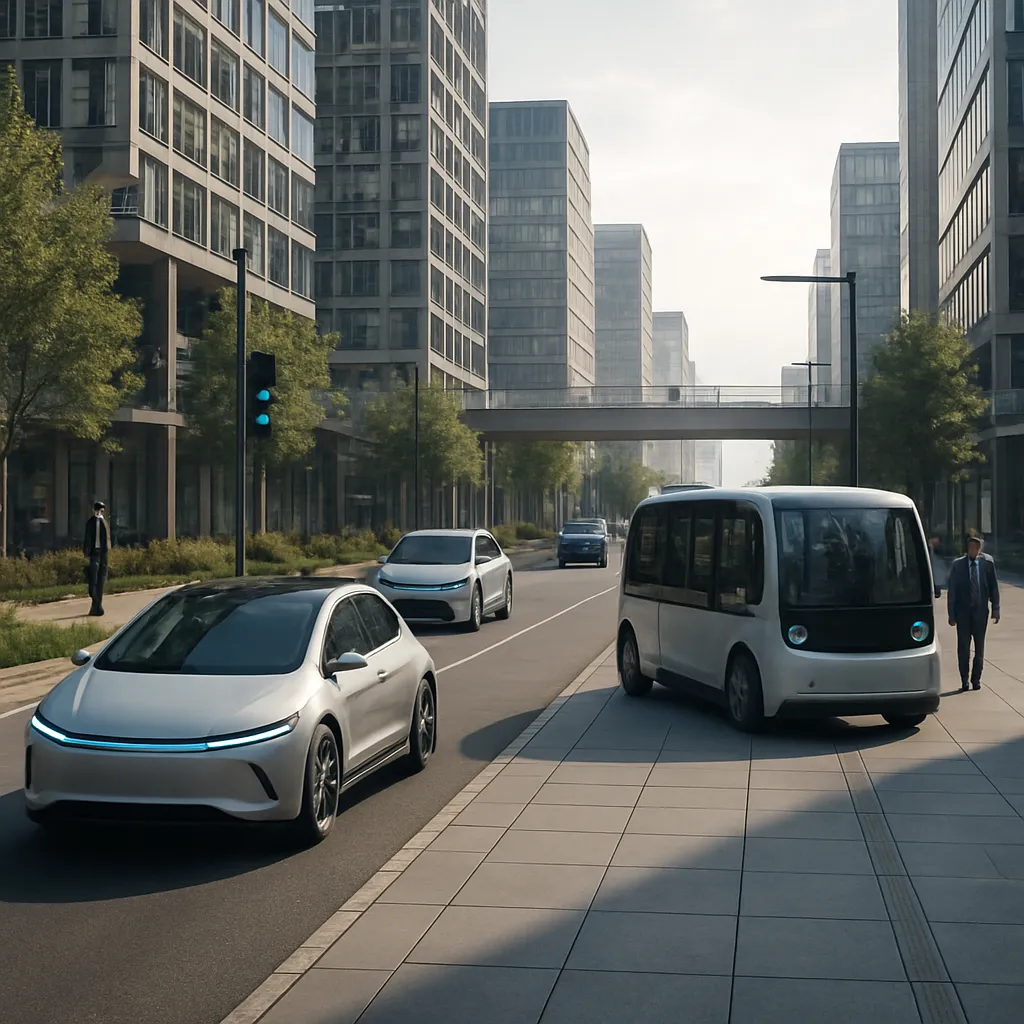
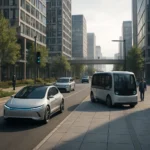
- Scalable circulatory systems for new transport technologies, from autonomous shuttles to hyperloop connectors, ensuring interoperability across evolving networks.
By embedding flexibility into both physical design and governance structures, these hubs will stand as beacons of innovation, ready to accommodate unforeseen transformations in mobility, technology, and urban life.