



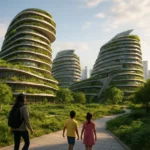





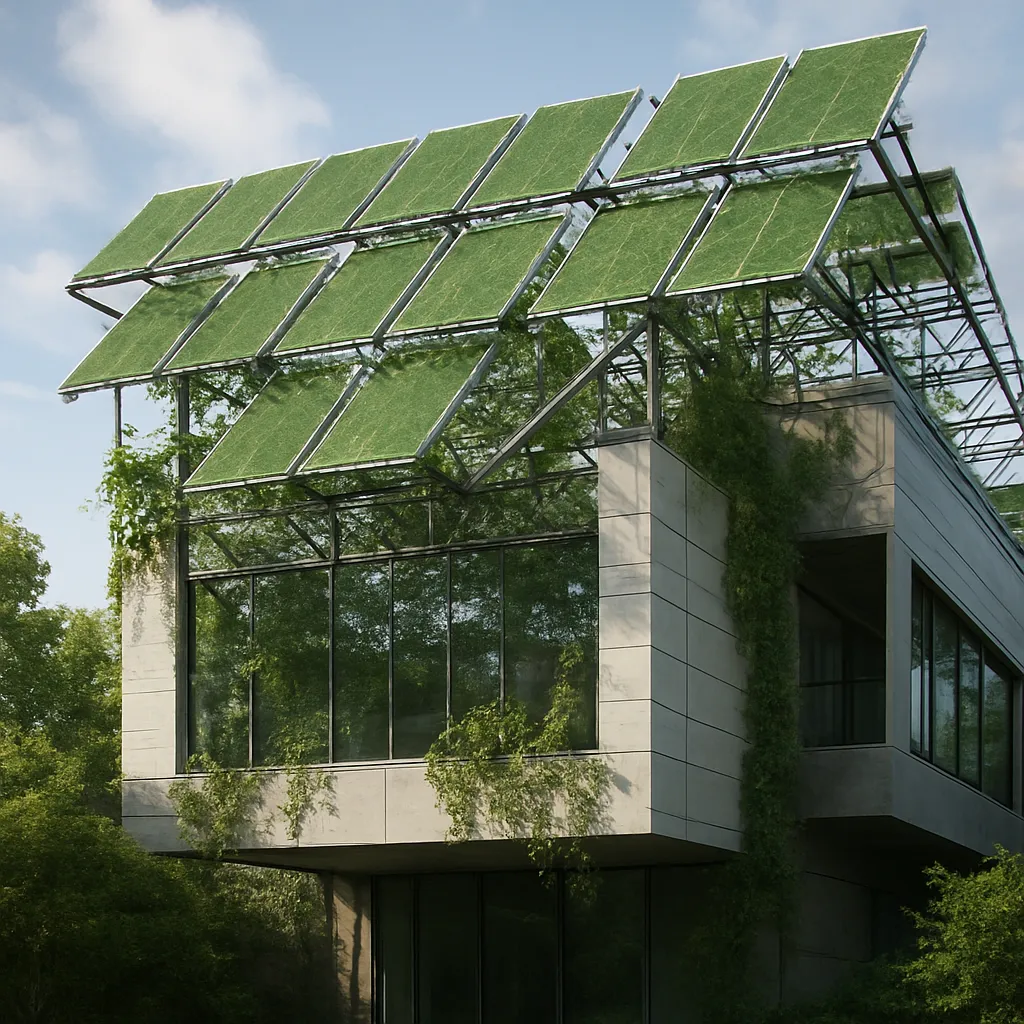
The convergence of cutting-edge materials science and visionary design principles has set the stage for an architectural revolution powered by artificial photosynthesis. By emulating the natural process that drives life on Earth, architects are pioneering buildings that not only consume sunlight but also convert it into clean energy and valuable chemical feedstocks. This exploration examines how the integration of synthetic light-harvesting systems is reshaping the future of urban environments, offering unprecedented levels of sustainability, resource autonomy, and aesthetic innovation.
Emerging Principles of Light-Driven Construction
At the core of this futuristic paradigm lies the concept of embedding photoactive materials into structural elements. Moving beyond conventional solar panels, designers are incorporating thin-film catalysts and biomimetic membranes within façades, roofs, and even glazing systems. These components harness photons to split water, reduce carbon dioxide, and generate hydrogen or carbon-based fuels.
Biomimicry Meets Engineering
Drawing inspiration from chloroplasts, researchers have developed synthetic antenna arrays that mimic the intricate protein complexes found in plants. These nano-engineered assemblies optimize light absorption across a broad spectrum, ensuring maximum conversion efficiency under variable urban conditions:
- Multi-junction catalysts layer diverse semiconductor materials for enhanced photon capture.
- Ion-conducting polymers facilitate efficient proton transport, accelerating reaction rates.
- Self-cleaning surfaces leverage photogenerated charges to decompose organic contaminants.
Architectural Strategies for Integration
Designers are redefining building typologies to accommodate reactive skins and adaptive geometries. Rather than treating energy generation as a separate function, it becomes an intrinsic property of the structure itself.
Dynamic Façade Systems
Modular panels equipped with light-regulating films adjust their orientation and optical properties in response to solar intensity:
- Electrochromic layers modulate transparency, balancing daylight harvesting and thermal comfort.
- Microfluidic networks supply water and electrolytes to embedded reaction sites, enabling continuous operation.
- Smart actuators synchronize panel tilting with the sun’s trajectory, maximizing photon exposure.
Green Infrastructure Synergies
Artificial photosynthetic modules harmonize with other ecological systems to form hybrid urban ecosystems:
- Vertical gardens utilize biohybrid membranes that channel ambient humidity toward catalytic surfaces.
- Rainwater capture membranes incorporate photocatalytic recovery filters, cleansing runoff while generating fuel precursors.
- Urban wind scoops complement solar conversion by cooling reaction zones, enhancing longevity of catalysts.
Technological Foundations and Materials
The success of these visionary structures depends on breakthroughs in nanomaterials and systems integration. Researchers continue to optimize the fundamental units that capture photons and drive chemical transformations.
Next-Generation Catalysts
Cutting-edge catalysts are engineered for robustness and scalability:
- Perovskite composites combine with metal-organic frameworks to enhance charge separation.
- Atomically dispersed metal sites lower activation energies for hydrogen evolution and CO₂ reduction.
- Graphene-based electrodes provide high conductivity and mechanical resilience in outdoor environments.
Seamless System Integration
Integrated control electronics and IoT networks ensure that each building component operates in harmony:
- Real-time energy management platforms optimize production, storage, and distribution of solar-derived fuels.
- Predictive maintenance algorithms use sensor data to detect catalyst degradation before efficiency drops.
- Distributed ledger technologies enable peer-to-peer exchange of surplus hydrogen or synthetic hydrocarbons.
Urban Implications and Future Trajectories
As artificial photosynthesis transitions from laboratory prototypes to full-scale implementations, its impact on cityscapes and lifestyles will be profound. Buildings of tomorrow transcend their traditional roles as static shelters. Instead, they become active participants in global energy cycles, contributing to local grids and even fueling transportation networks.
Decentralized Energy Hubs
Mixed-use complexes transform into energy-producing campuses, with artificial photosynthetic modules powering communal spaces, vertical farms, and micro-manufacturing facilities. Strategic placement of these hubs reduces transmission losses and enhances resilience during grid disruptions.
Low-Carbon Economic Models
The widespread adoption of built-in fuel generation technologies nudges urban economies toward circular patterns:
- Carbon capture credits exchanged for locally produced green hydrogen.
- Building-integrated production of methanol or formic acid for industrial feedstocks.
- Collaborative leasing of catalyst-coated surfaces that provide continuous income streams for property owners.
Challenges and Research Frontiers
Despite its promise, artificial photosynthesis in architecture faces hurdles in durability, cost, and regulatory adaptation. Continuous material innovation and cross-disciplinary collaboration will be essential to overcome barriers:
- Enhancing photochemical stability over decades of exposure.
- Reducing manufacturing expenses through roll-to-roll coating and additive printing.
- Developing building codes that recognize fuel-producing façades as structural elements.
Toward a Photosynthetic Metropolis
With coordinated research efforts and visionary policies, entire neighborhoods may evolve into self-sufficient organisms, synthesizing energy and materials in situ. The result is an unprecedented harmony between the built environment and the natural cycles that have sustained life for millennia.