







The evolution of retail spaces is entering a new era defined by sensor-driven design. Architects and designers are leveraging a network of embedded devices to create environments that not only respond to customer behavior but also anticipate needs, optimize operations, and deliver immersive experiences. By integrating an array of IoT connected sensors into the very fabric of buildings, future retail architecture will shift from static storefronts to dynamic, living ecosystems.
Emerging Sensor Technologies in Retail Architecture
Architects and engineers are exploring a vast palette of sensor types to enrich the spatial intelligence of stores. From optical and thermal detectors to environmental and biometric modules, each device contributes to a comprehensive understanding of how spaces are used.
Wide Spectrum of Sensor Modalities
- Optical cameras with computer vision algorithms that track foot traffic and shelf interactions.
- Thermal mapping sensors to gauge crowd density and human comfort levels.
- Environmental devices measuring air quality, humidity, and illumination, ensuring energy efficiency and well-being.
- RFID and Bluetooth beacons for precise asset tracking and seamless omnichannel experiences.
- Biometric scanners capturing gesture and facial expression data for enhanced personalization.
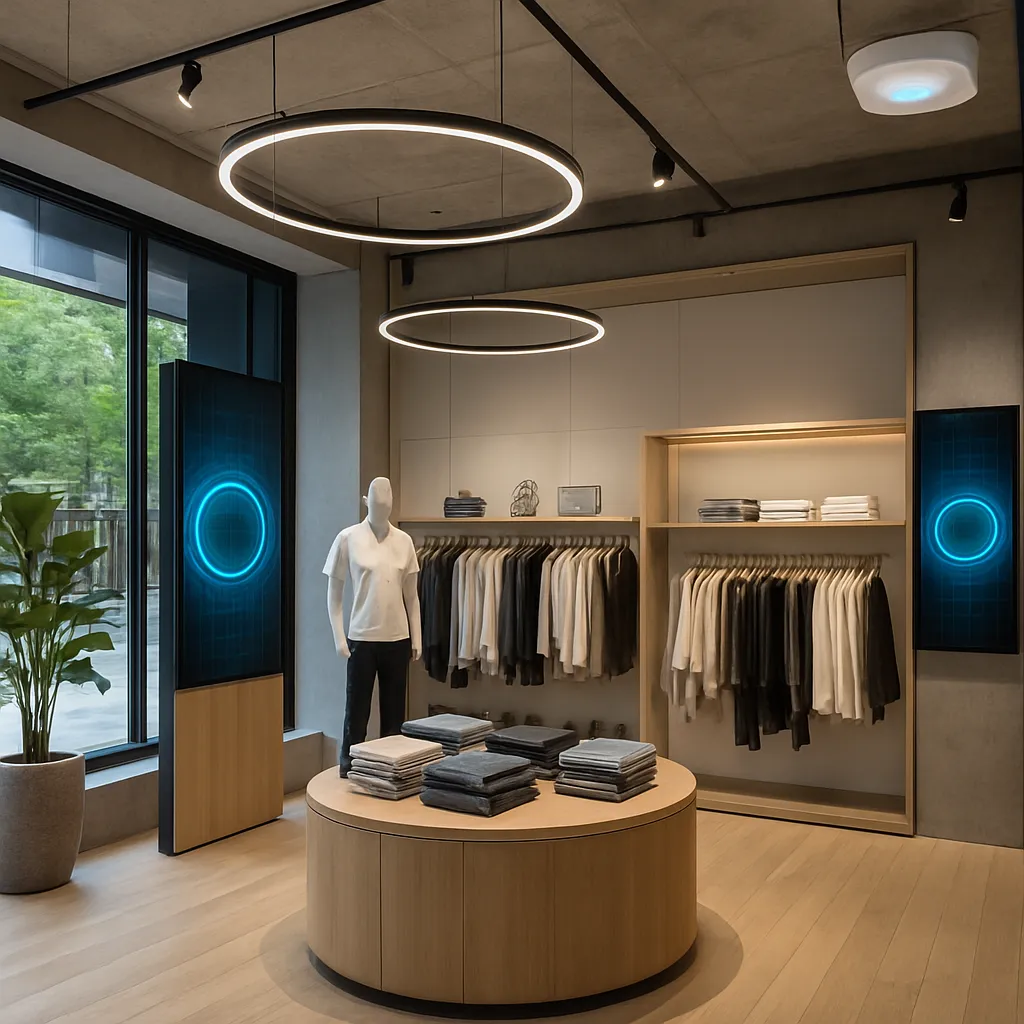
By weaving these elements into walls, ceilings, and even flooring, architects can craft structures that are responsive at every level. Sensor networks communicate via secure protocols to a central platform, enabling real-time adjustments in lighting, temperature, and promotional displays.
Adaptive Store Environments
Imagine entering a shop where the layout morphs in real time, lighting shifts to highlight relevant products, and interactive displays guide your journey based on previous preferences. This concept is no longer science fiction but an achievable reality through advanced augmented reality systems and sensor analytics.
Dynamic Space Configuration
Modular walls outfitted with motorized tracks and predictive analytics allow retailers to reconfigure aisles and zones dynamically. When sensors detect increased demand for workout gear in a sportswear boutique, partitions can glide open to expand that section, while dimming lights and retracting shelving in less active areas.
Personalized Lighting and Soundscapes
- Occupancy sensors fine-tune illumination levels to individual shoppers’ journeys, creating zones of focused brightness or ambient shade.
- Acoustic sensors analyze crowd noise, triggering background music tempo adjustments that influence browsing speed and dwell time.
- Olfactory diffusers release signature scents when heat maps indicate high engagement, deepening emotional connections with the brand.
Through this interactivity, every visit becomes a unique narrative, shaped by data at millisecond intervals. Retailers can optimize layouts not on an annual schedule, but on an hourly or even minute-by-minute basis.
Data-Driven Customer Experience
The fusion of sensor feeds and artificial intelligence unlocks unprecedented personalization. Retailers can craft individual journeys that blend physical exploration with digital layers, ultimately fostering loyalty and driving revenue.
Real-Time Behavioral Insights
AI models ingest streaming data from heat maps, gesture analytics, and dwell-time trackers. These insights power recommendation engines that adapt product displays on digital shelves, adjusting pricing, bundling offers, or highlighting complementary items. The machine continually learns, refining segmentation models to anticipate needs before customers even articulate them.
Interactive Surfaces and Virtual Try-Ons
- Smart mirrors equipped with depth cameras allow virtual try-ons, overlaying garments or accessories on the shopper’s reflection.
- Touch-enabled tables display dynamic catalogs, responding to hand gestures to zoom, rotate, or request customized product variants.
- Location-based push notifications guide patrons to tailored promotions, orchestrated by indoor positioning systems accurate to within centimeters.
By uniting on-floor sensors with mobile apps, retailers create a seamless bridge between real and digital realms. Customers can reserve fitting rooms remotely, receive instant feedback on fit metrics, and share images with friends or stylists for social validation.
Sustainability and Smart Materials
As environmental concerns intensify, sensor-driven design also champions sustainability. Intelligent building envelopes, powered by responsive skins and adaptive shading, minimize energy consumption while maximizing occupant comfort.
Eco-Responsive Facades
Nanotech coatings on glass change transparency based on solar heat gain sensors, balancing natural light with thermal control. Kinetic elements—panels that tilt, rotate, or slide—are governed by wind, sunlight, and temperature data, reducing HVAC load by up to 30%.
Automated Resource Management
- Water flow meters and moisture sensors optimize irrigation for green walls and indoor planting systems, preserving biodiversity within stores.
- Smart flooring embedded with piezoelectric strips harvests the energy from footfalls to recharge interior lighting or charge devices at interactive stations.
- Waste bins equipped with fill-level detectors prompt automated collection schedules, improving operational efficiency and minimizing carbon footprints.
By integrating biometric readiness sensors in fitting rooms, systems can control ventilation only when occupied, further trimming unnecessary resource use. This convergence of intelligence and ecology demonstrates retail’s capacity to evolve as a sustainable steward of urban environments.